Clinical care and an in-house workflow
Imaging, digital scanning and laboratory coordination support implant and restorative care. Selected cases can receive fixed teeth, crowns or cosmetic improvements in one day. Healing, orthodontic movement and some complex conditions take longer. Our centres in Mumbai and Jaipur help patients choose a location and plan their visits.
Learning alongside clinical practice
Clinical education, books and publications are part of the work at Royal Dental Clinics. Patient guides explain treatment choices in everyday language. Scientific work and professional learning support clinical discussion; neither a publication nor a design registration is a promise of an individual result.
A practice established in 1983
Royal Dental Clinics was established by Dr Arun Chamria in 1983. His interest in preserving teeth, restoring chewing function and coordinating treatment in fewer visits continues to shape the clinic’s approach. Dr Chirag Chamria carries this work forward through oral and maxillofacial surgery, implant rehabilitation and digitally planned restorative care.
The starting point is the patient’s concern: difficulty eating, loose teeth, uncomfortable dentures, worn teeth or reluctance to smile. Treatment is planned around oral health, medical history, available teeth and bone, and the changes that matter to that person. A photograph or a treatment name is not enough to decide the complete plan.
Digital planning, in-house technology and patient comfort
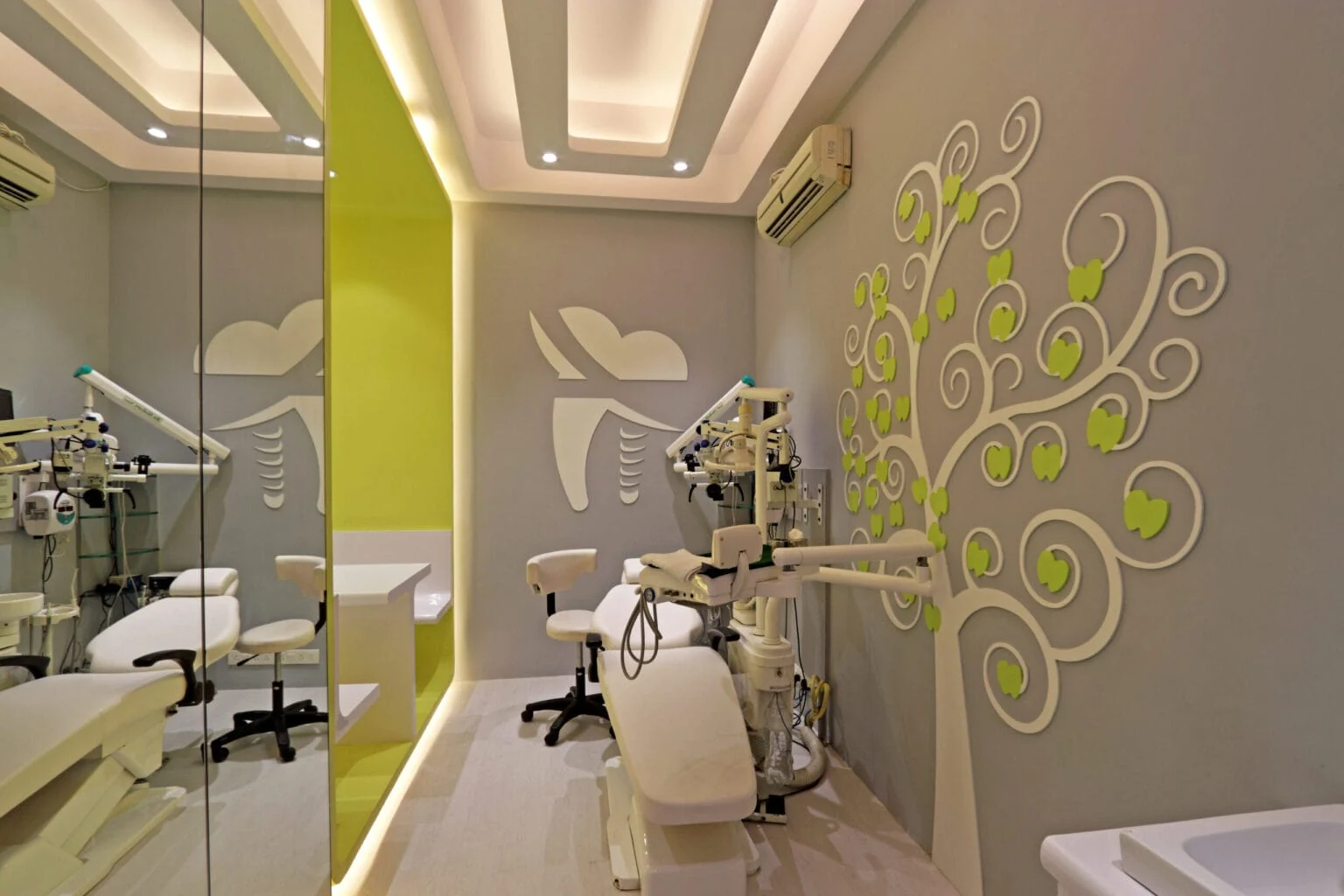
Royal Dental Clinics uses an integrated workflow using dental imaging, intra-oral scanning, digital design and CAD-CAM production. These records help the team study tooth shape, jaw relationships and the space needed for a restoration. Investigations such as OPG, RVG or CBCT are selected according to the clinical question.
After assessment, the clinical and laboratory teams use the agreed records to design the proposed teeth. Fit, appearance and bite still need to be checked clinically. Digital production can support a shorter treatment sequence in suitable cases, while complex diagnosis, healing or correction may require additional visits.
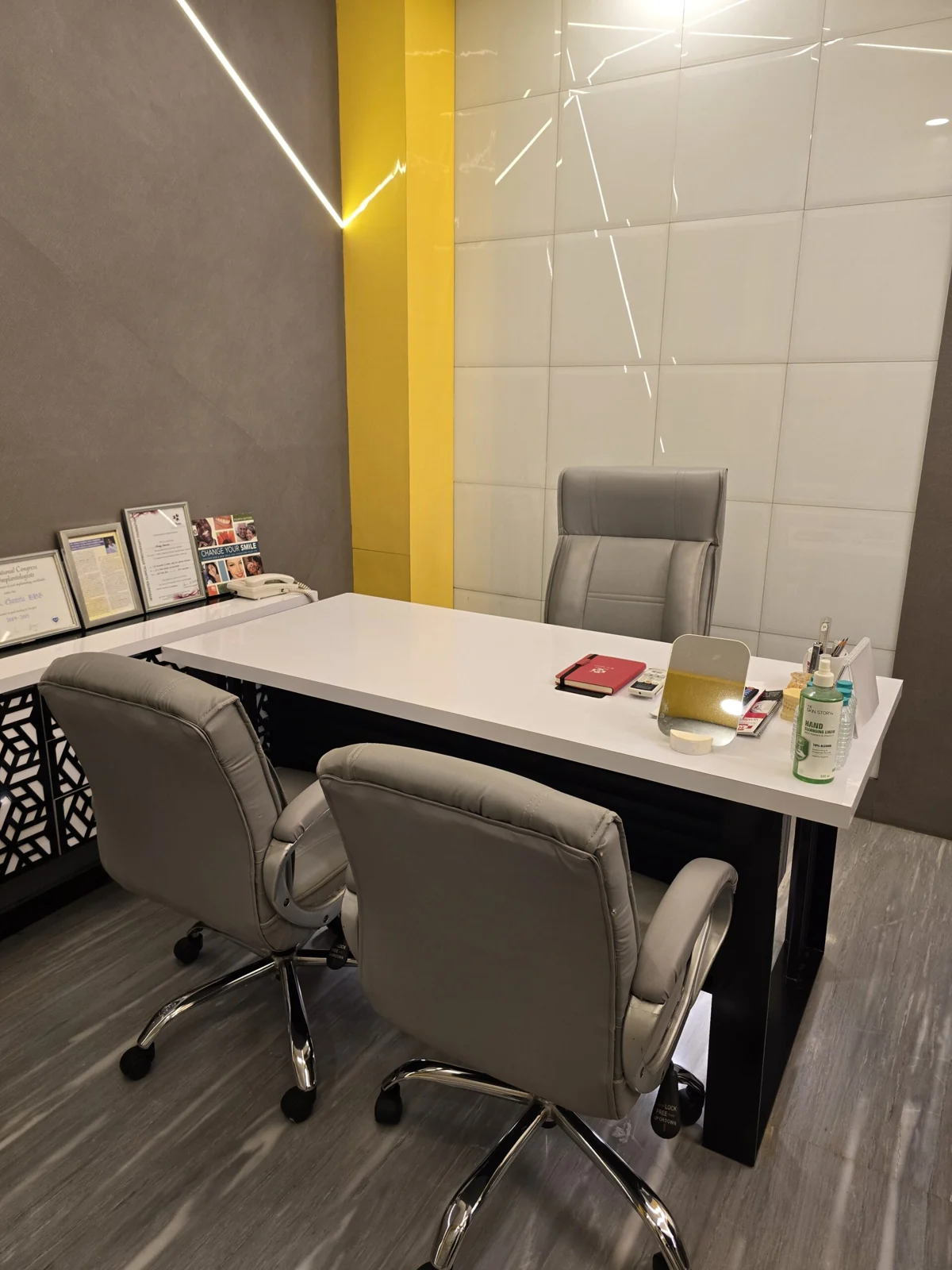
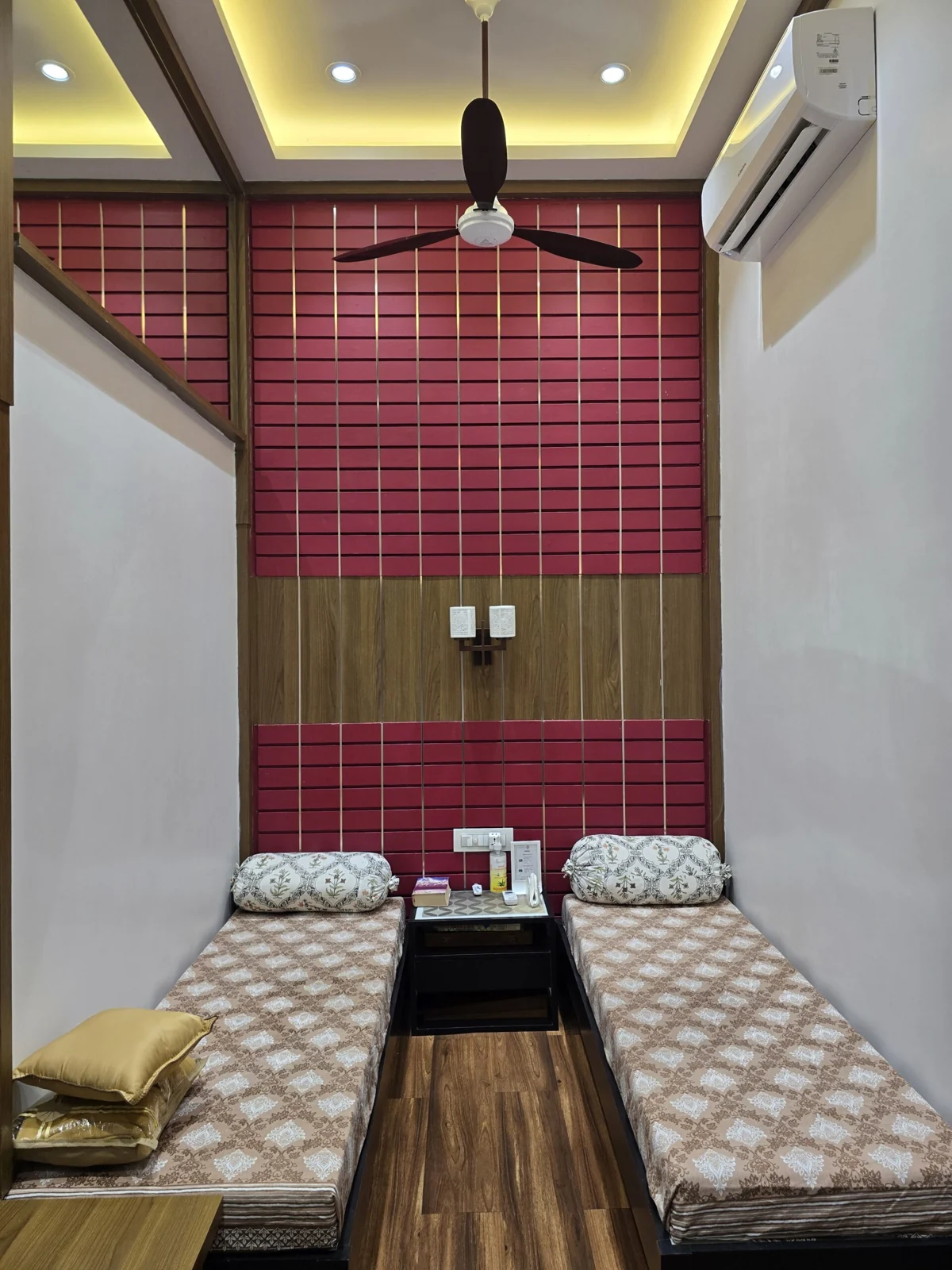
The Mumbai clinic includes consultation and treatment areas, private waiting spaces and a designated sedation room. Tell the coordinator about mobility needs, anxiety, a caregiver or a longer appointment so the visit can be planned. Confirm the facilities required for your procedure at your chosen centre.
From consultation to an agreed treatment plan
The consultation pathway begins with registration and a record of symptoms, medical conditions, medicines, allergies and previous dental treatment. Examination considers the teeth, gums, bite and relevant jaw or soft-tissue concerns. Existing records are reviewed and additional investigations are requested when needed.
The clinician explains the findings and suitable treatment choices, including the advantages, limitations and expected course of care. A written plan and estimate help you compare those choices. Bring a family member if their support will help you discuss the plan and practical arrangements.
Treatment proceeds after you understand and agree to the proposed approach. Same-day treatment can be considered when the examination, clinical requirements and appointment arrangements allow it. Ask what is expected to happen on the first day and which reviews or later stages are still required.
Continuing care and service terms
Continuing care includes regular cleaning, clinical review and bite balancing where required. A review can assess the gums, remaining teeth, implant tissues and prosthetic components, as well as your comfort with chewing and cleaning.
Service-free coverage is described as up to nine years depending on the material and written treatment terms. Confirm the specific restoration covered, service period, maintenance conditions and exclusions. This is a physical service arrangement for the relevant treatment; travel and care from another provider are not automatically included.