Cost and the restoration
The estimate should separate or clearly include root canal treatment, a protective restoration and any retreatment work. A crown may be needed for a weakened tooth; not every tooth automatically requires the same restoration. Ask about the expected prognosis and alternatives before starting.
Aftercare and review
Soreness can occur after treatment. Follow the prescribed pain and eating advice, and complete the final restoration as planned. Contact the clinic if swelling, increasing pain, loss of the temporary restoration or a high bite develops. Review assesses symptoms, healing and the restored tooth.
What root canal treatment is designed to do
The pulp inside a tooth contains nerves and blood vessels. Decay, a crack, trauma or a previous restoration can contribute to inflammation or infection. Root canal treatment removes the affected pulp, cleans and disinfects the canals, and seals the space so the tooth can be restored when it remains suitable for retention.
Symptoms that merit assessment include lingering sensitivity, pain, swelling, pus or a change in tooth colour. Symptoms alone do not confirm the diagnosis; the examination, tests and appropriate imaging determine the cause.
Assessment also considers remaining tooth structure, cracks, bone support and whether the tooth can be predictably restored. Treatment can be considered at different ages, but the stage of tooth development and the individual diagnosis influence the approach.
Single-sitting treatment, comfort and final restoration
Royal Dental Clinics offers single-sitting root canal care and digitally produced restorations in suitable cases. The decision depends on the diagnosis, canal anatomy, infection and restorative requirements. Retreatment or complex cases may need more than one visit.
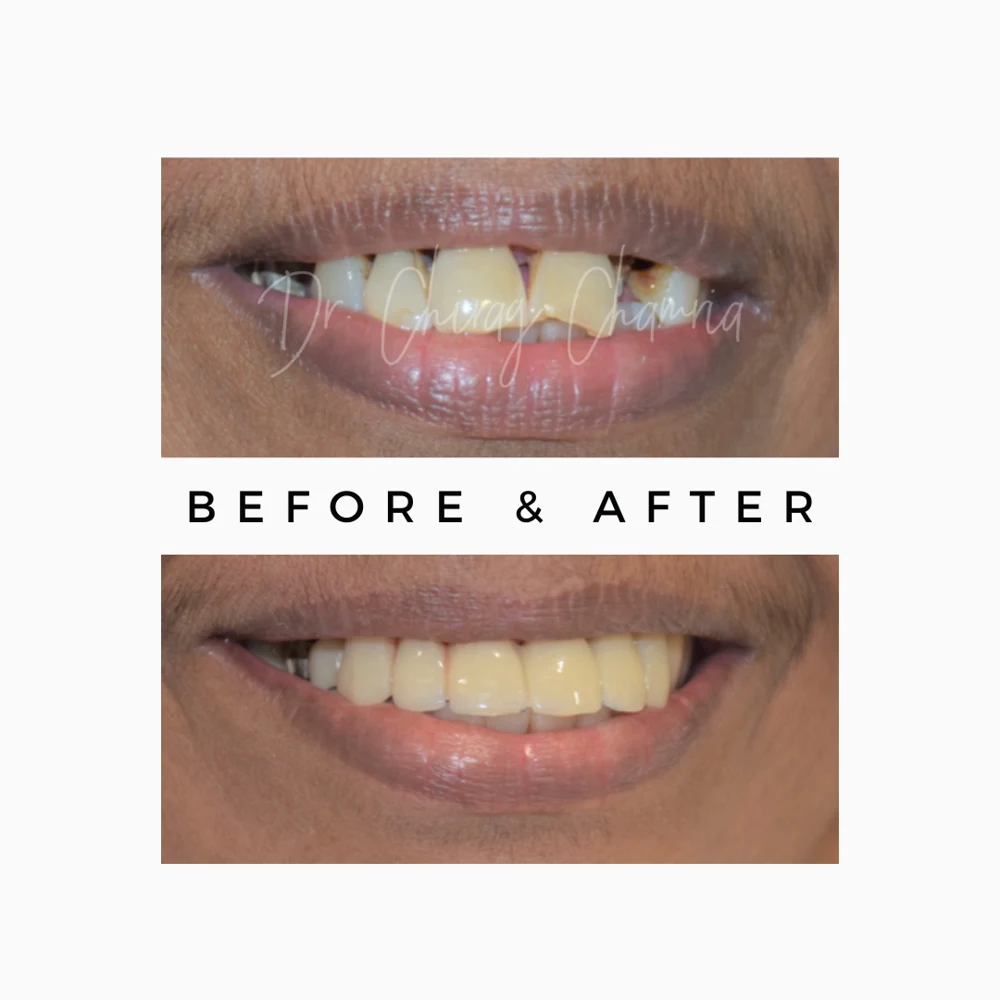
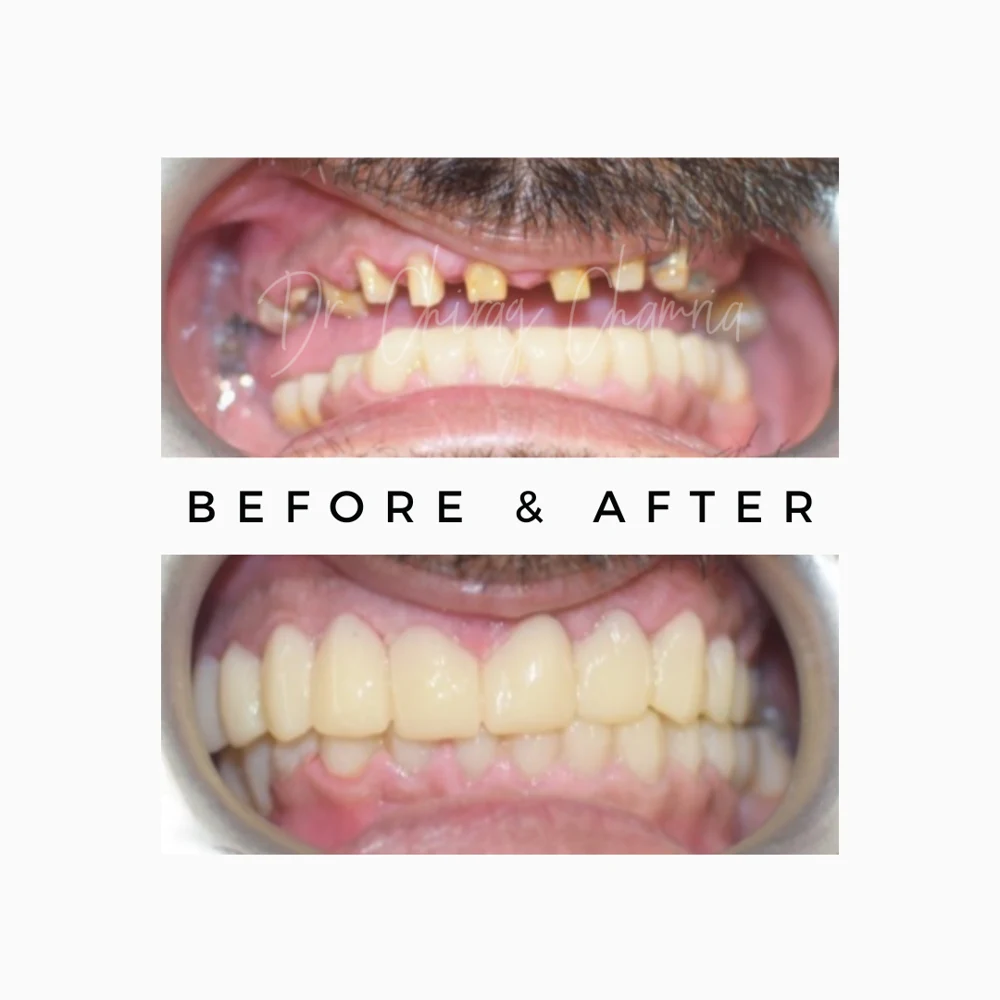
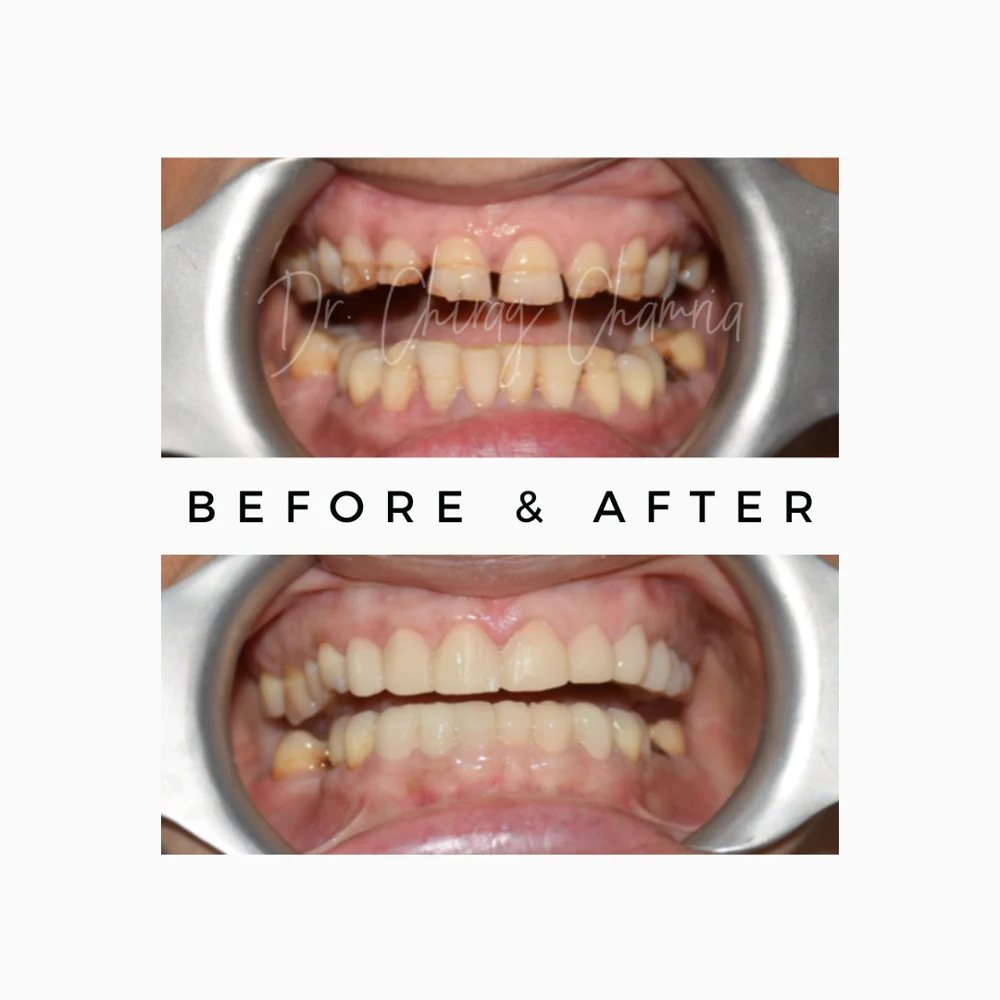
Local anaesthesia and appropriate isolation support treatment. The canals are cleaned, disinfected, shaped and filled, and the tooth needs a suitable seal and restoration. A crown or onlay may be recommended for a heavily weakened tooth; this is not automatic for every treated tooth.
Explain any previous difficulty with anaesthesia or anxiety before treatment starts. The team can discuss what you may feel, how to request a pause and which comfort measures are suitable. Sedation requires its own assessment and preparation.
Afterwards, follow the advice on chewing, cleaning and any further restorative appointment. Contact the clinic if pain increases, swelling develops or the restoration is damaged or dislodged. A root canal-treated tooth still needs daily care and professional review.