Save Your Teeth

Assessment and Treatment of Loose Teeth

Loose teeth can result from gum disease, injury or excessive forces on the bite. Treatment begins by identifying the cause and assessing how much support remains around each tooth.

Causes
Gum disease trauma or loading
Plan
Treat cause and reassess support
Splinting
Selected cases with maintenance
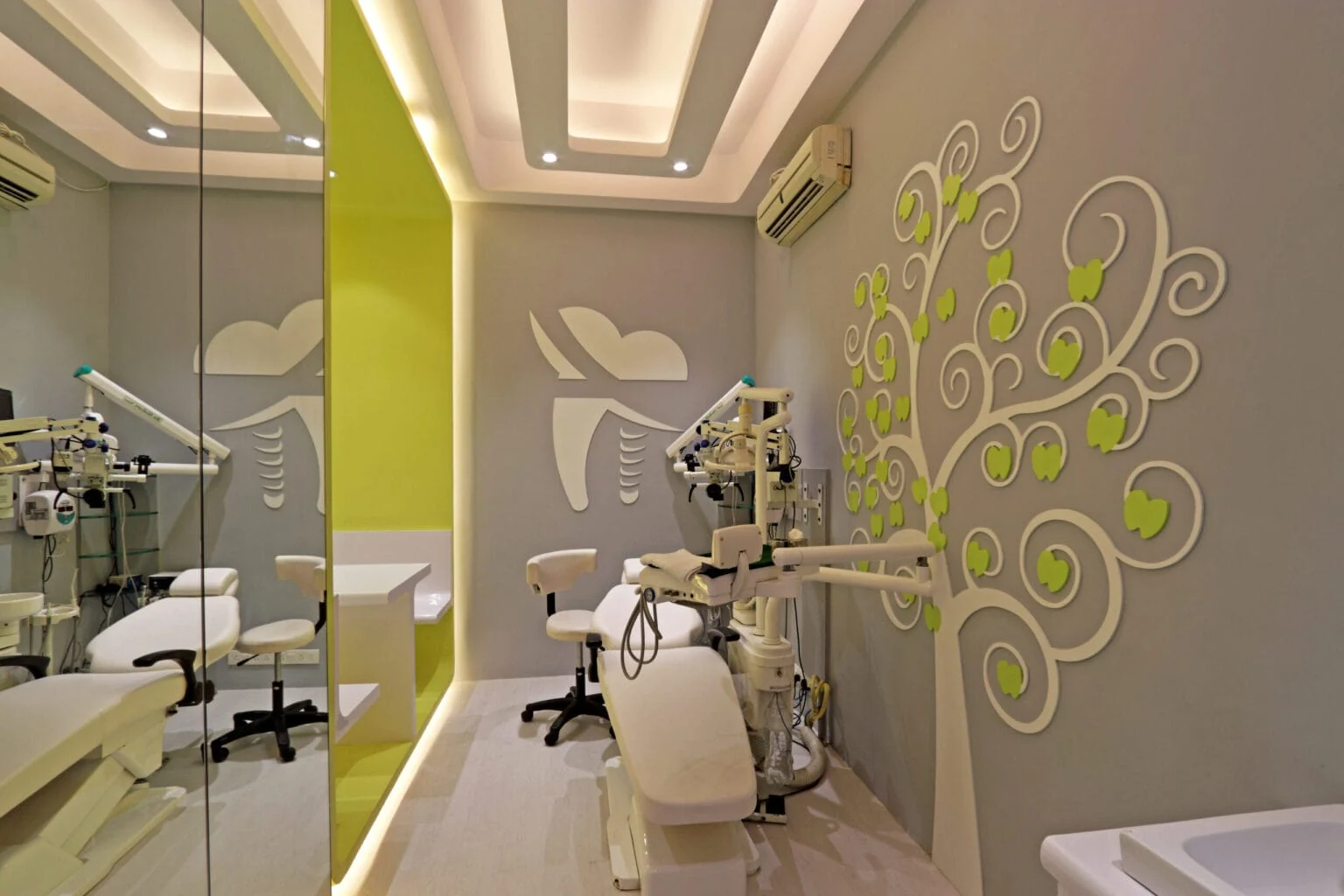
Dental treatment area at Royal Dental Clinics Mumbai

Why a tooth moves

Periodontal disease can damage the gum and bone support. Trauma, inflammation and loading may also contribute. Movement can occur with discomfort, gum bleeding, migration or difficulty chewing. The dentist checks the tissues, roots, bite and appropriate imaging to identify the cause.

Treating the underlying problem

Care may involve professional cleaning, gum treatment, management of infection and attention to the bite. A splint can help stabilise selected teeth, but it does not replace disease control or restore lost bone by itself. Medical and smoking history can affect healing and maintenance.

Can the tooth remain useful

The plan considers the amount of support, pattern of movement, root condition and your ability to clean. Some teeth can be maintained with treatment and review. Others have a poor prognosis and may need removal. The dentist explains the basis for each recommendation.

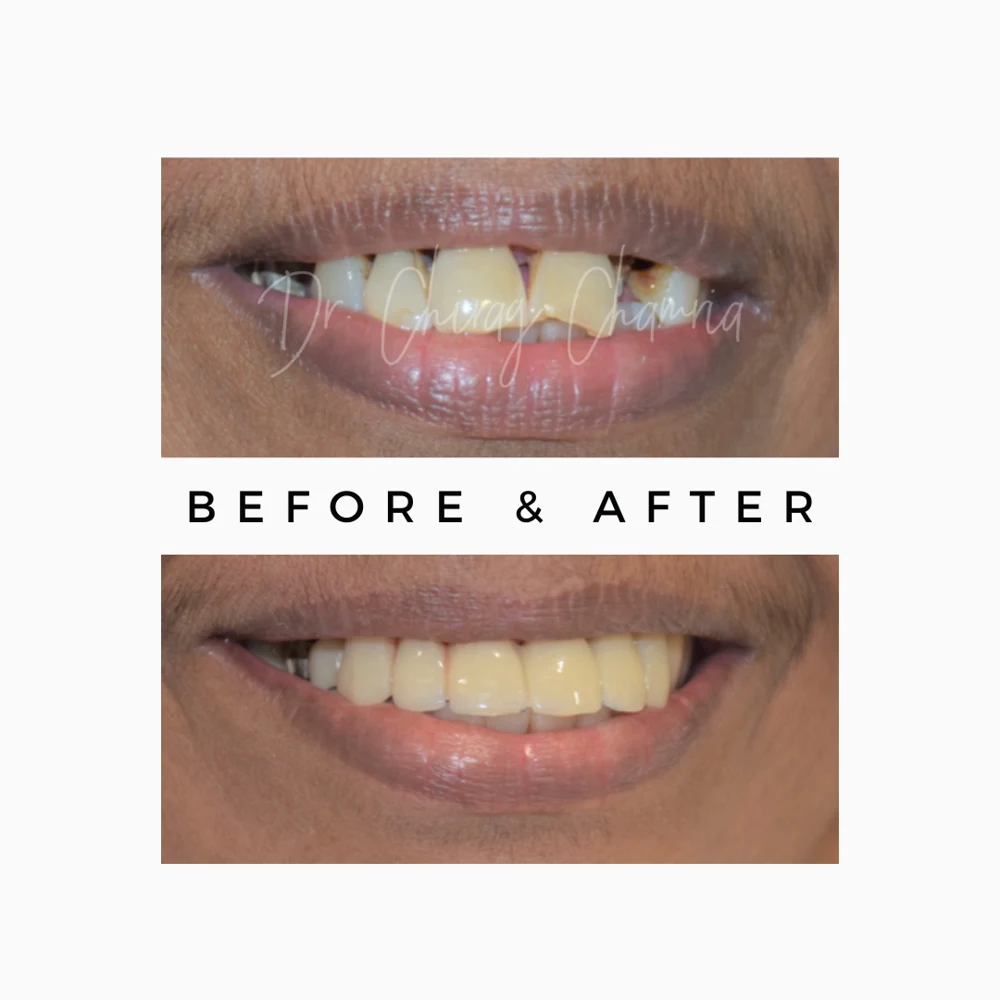
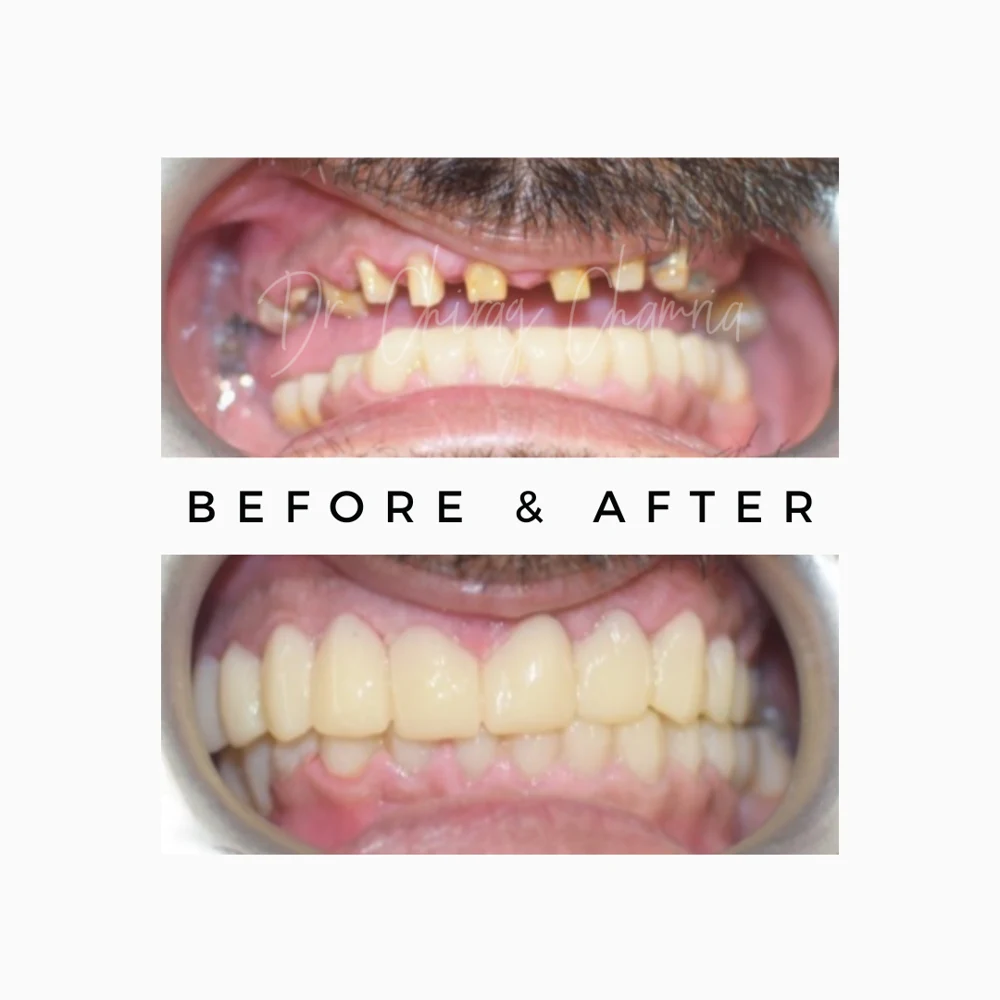
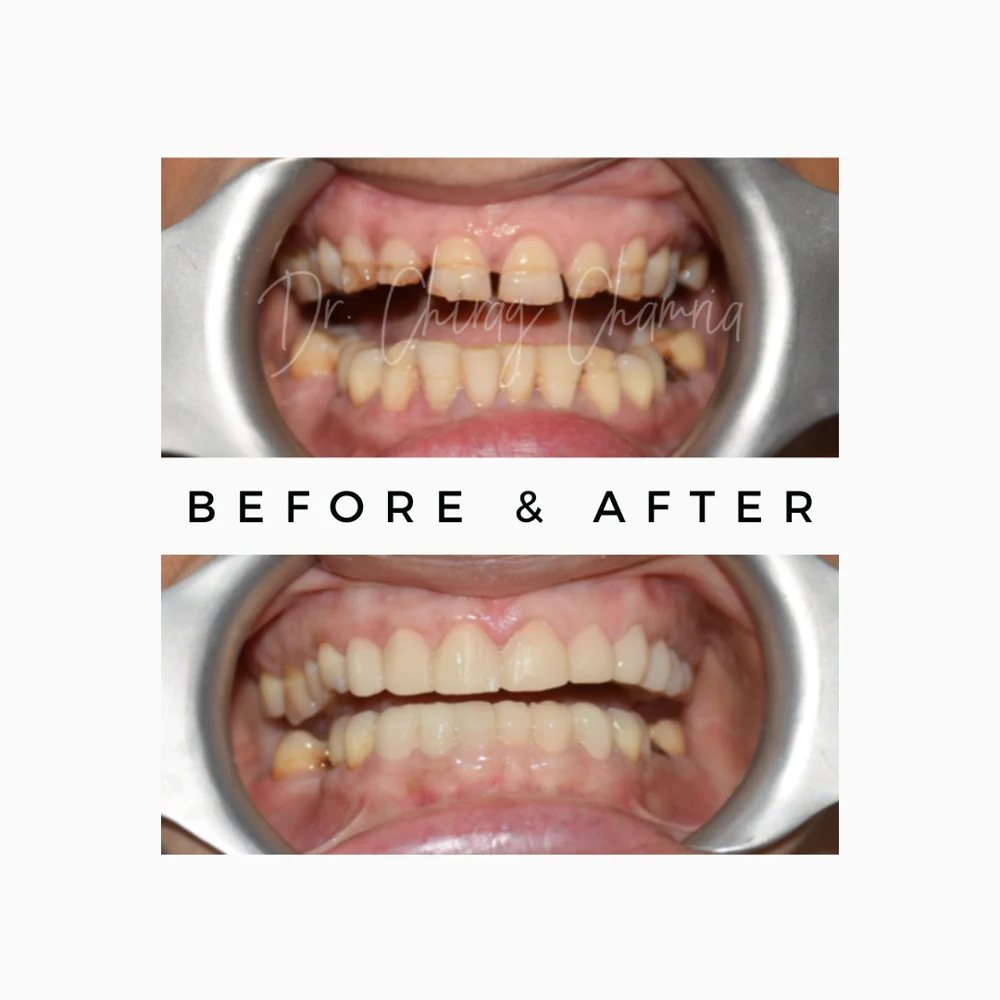
Before & after · Royal Dental patients

See the smiles.
Understand the possibilities.

Explore photographs of treatment published by our clinic. Your own plan starts with an individual assessment.

Actual photographs published by Royal Dental Clinics. Individual results vary; photographs alone do not establish the treatment, timeframe or suitability for another patient.

Questions before you decide

Your questions answered

No. A splint stabilises selected teeth but does not resolve all causes or rebuild lost support.

No. Trauma and bite-related forces may contribute. The cause needs clinical assessment.

Do not stop hygiene without advice. Ask the dentist to show a gentle and appropriate cleaning method.

The clinician examines the movement, gums, bone support, bite and signs of infection or trauma. Imaging may be used to understand the supporting structures.

Avoid repeatedly testing or wiggling the tooth and contact the clinic for advice about cleaning and chewing. Seek prompt care for trauma, swelling or rapidly increasing movement.

Start with a conversation

Let’s understand
what you need.

Tell us your concern and preferred centre. Our coordinator will help arrange the next step.

Consultation ₹1,500 · Usually 45–60 minutes
Your appointment is confirmed by the clinic.

Cost and treatment sequence

The estimate may include gum care, splinting, restoration, imaging and reviews. Mobility treatment is not a single universal procedure. Reassessment after initial care may be needed before committing to a larger restoration or replacement plan.

Daily care and follow-up

Maintain the cleaning method recommended for your gums and any splint. Avoid repeatedly testing the tooth with your fingers or tongue. Attend reassessment and report worsening movement, pain or swelling. Continued care helps monitor whether the tooth can remain stable and useful.

Preserving teeth by treating the cause

Natural teeth should be assessed for preservation before removal is proposed. Suitable care may include a filling, root canal treatment, gum treatment, splinting, bite management or a protective restoration.

The choice depends on the damage, infection, remaining structure and supporting tissues. A tooth with a vertical root fracture, severe loss of support or another non-restorable condition may have a poor prognosis despite extensive treatment. Compare the likely benefit, limitations and ongoing care of each reasonable option.

If you are seeking a second opinion, bring previous X-rays, treatment records, prescriptions and the plan already recommended. Explain your symptoms and what outcome matters most to you.

Investigating tooth movement and bleeding gums

Assessment of a loose tooth examines the amount and direction of movement, periodontal pocket depth, gum condition, bone support and bite forces. Infection, trauma, grinding and advanced gum disease may contribute to movement, but the cause needs to be identified in each case.

Initial care may include cleaning and periodontal treatment, with splinting, bite management or restorative support in selected cases. Stabilising a tooth does not remove the need to treat the underlying cause. The tissue response and prognosis need review.

Persistent bleeding, gum recession, bad breath, swelling or a change in chewing comfort deserve assessment. Inform the clinician about diabetes, medicines and other relevant medical conditions. Costs and treatment duration depend on the combination of care needed rather than one standard “loose tooth” procedure.

WhatsApp