Smile Care

Professional Teeth Whitening

Whitening can lighten suitable natural-tooth discolouration after the teeth and gums are assessed. The cause of the staining, existing restorations and sensitivity help determine the appropriate treatment.

Works on
Suitable natural-tooth colour
Assessment
Teeth gums and restorations
Common effect
Temporary sensitivity may occur
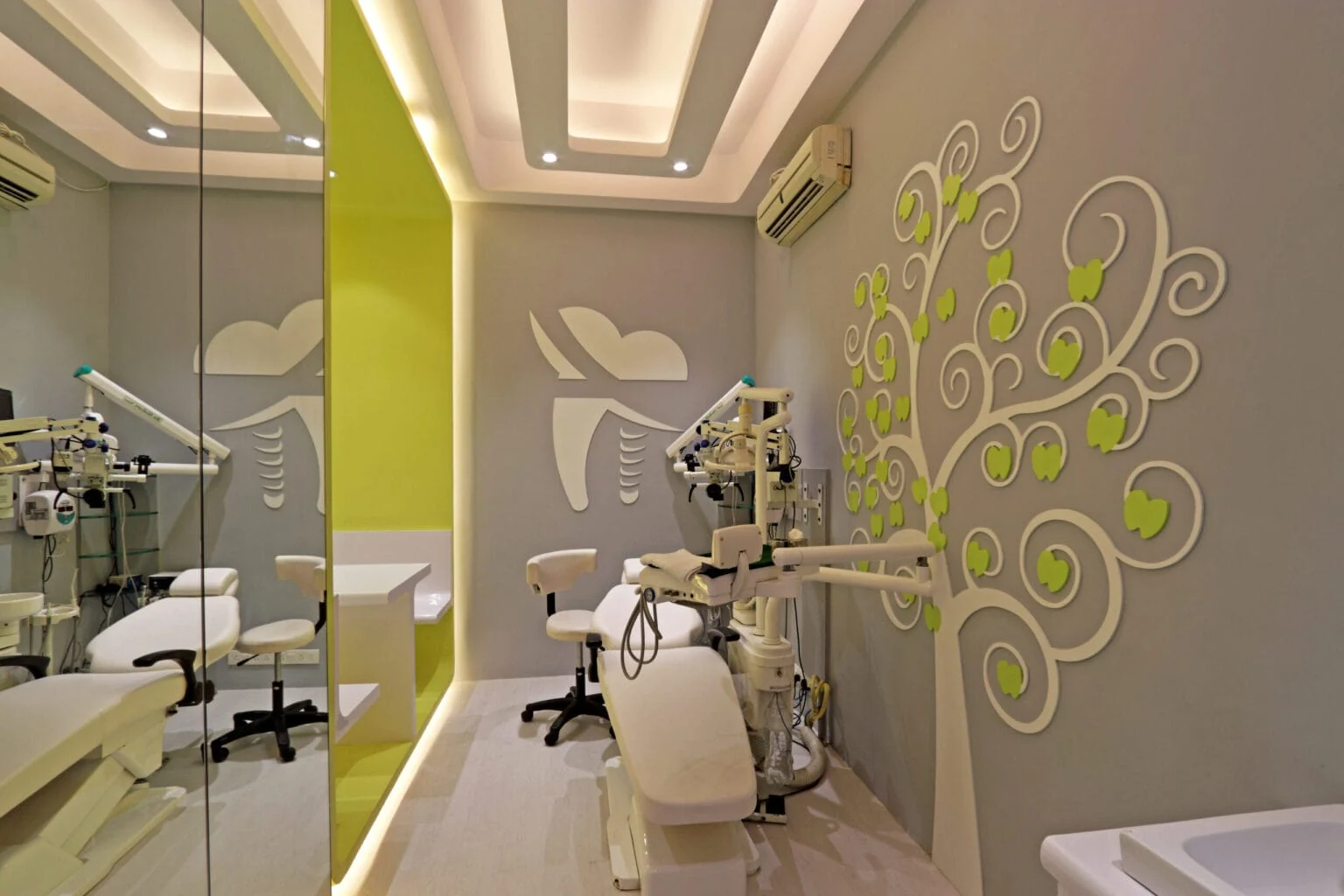
Dental treatment area at Royal Dental Clinics Mumbai

Check the cause of the colour

Surface stain, internal discolouration and a single dark tooth need different approaches. Decay, cracks and gum disease are assessed first. A cleaning may remove surface deposits, while whitening affects tooth colour. Neither treatment replaces care for an underlying dental problem.

What can and cannot change

Natural teeth may respond to professional whitening. Crowns, fillings, veneers and implant teeth do not whiten in the same way. The dentist discusses how shade differences could appear and whether old restorations need consideration. A specific colour or degree of change cannot be guaranteed for every patient.

The treatment plan

A clinic or dentist-supervised home approach may be considered according to your needs and the system used. Follow the prescribed method and duration. Temporary sensitivity or gum irritation can occur. The team explains what to do if this happens and whether whitening should be paused.
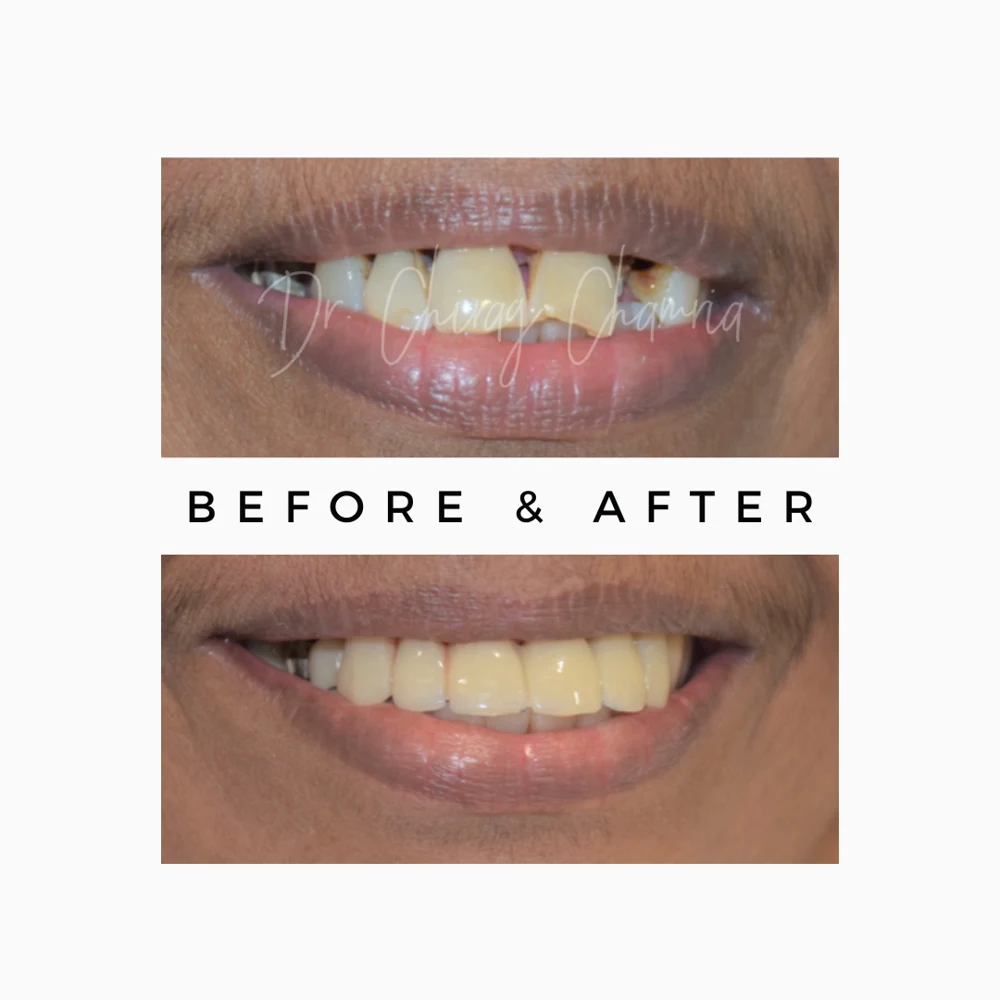
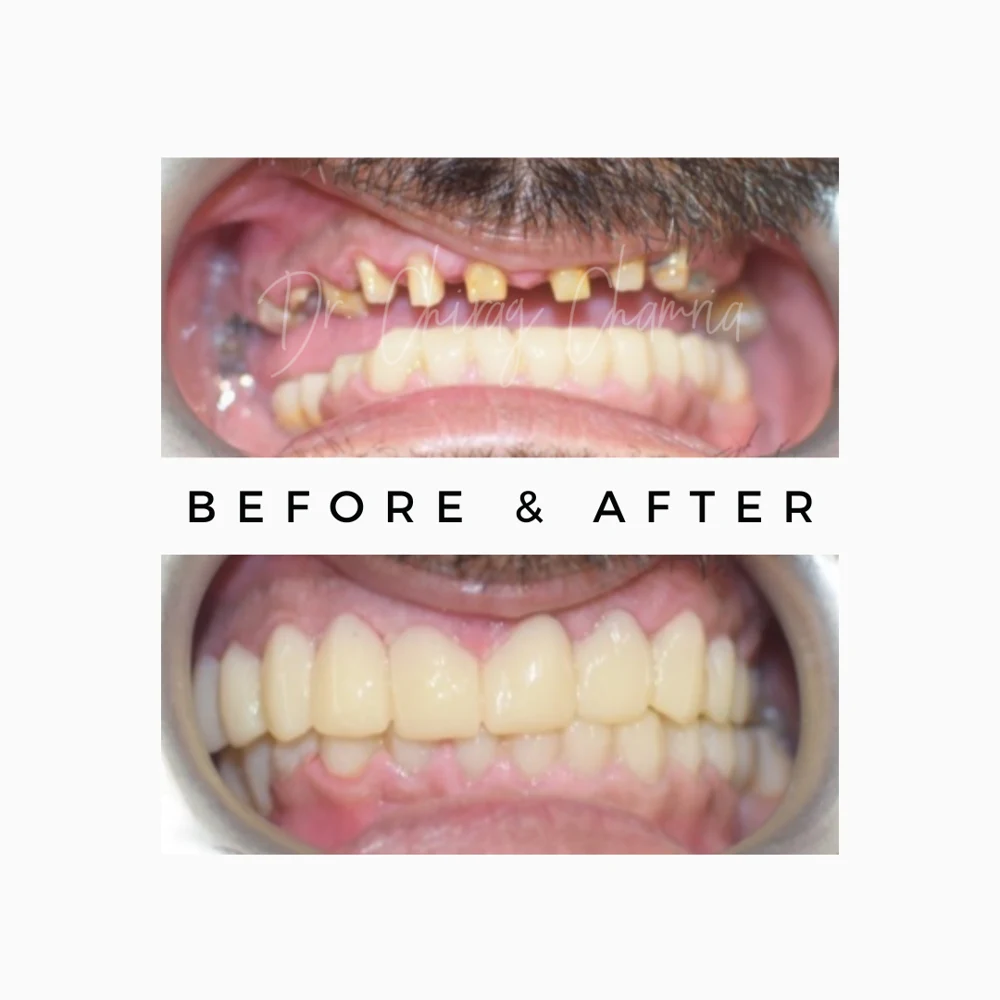
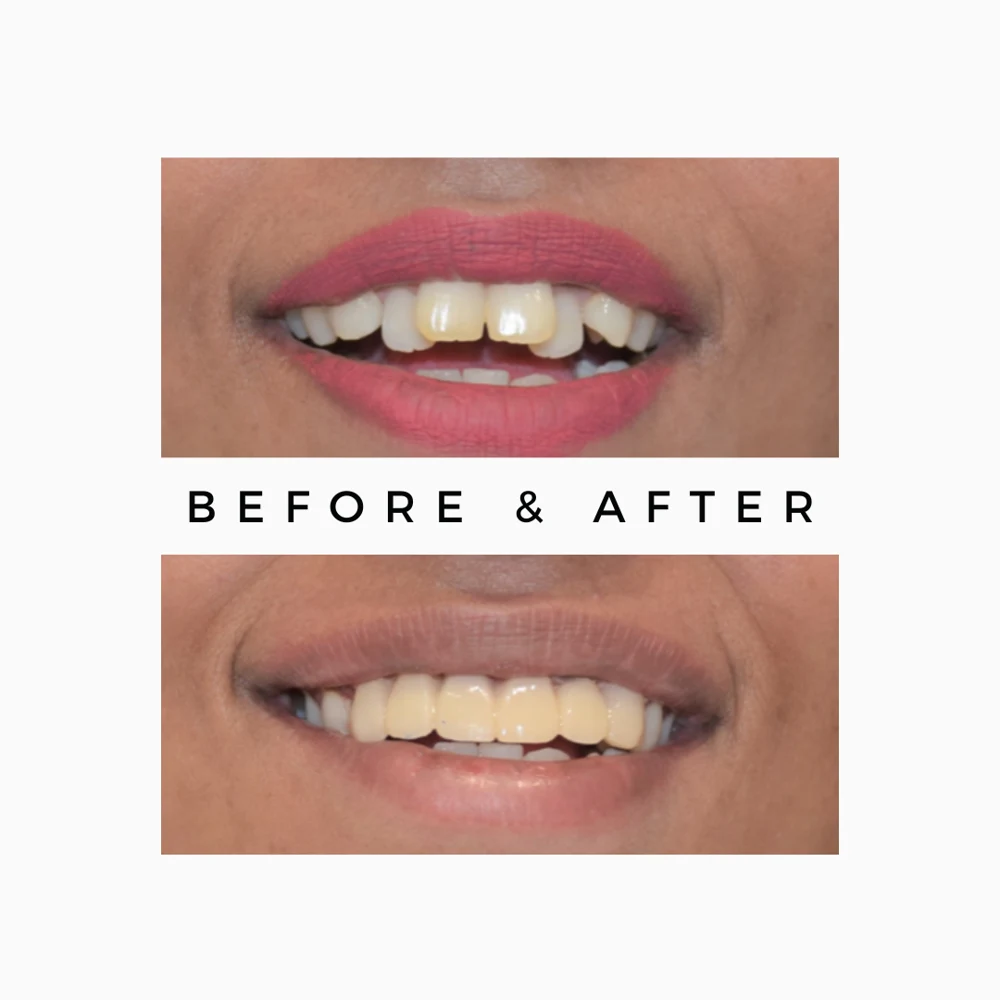
Before & after · Royal Dental patients

See the smiles.
Understand the possibilities.

Explore photographs of treatment published by our clinic. Your own plan starts with an individual assessment.

Actual photographs published by Royal Dental Clinics. Individual results vary; photographs alone do not establish the treatment, timeframe or suitability for another patient.

Questions before you decide

Your questions answered

No. Crowns and other restorative materials do not whiten like natural teeth. Shade differences need to be planned.

No. Cleaning removes deposits and surface stains. Whitening changes the shade of suitable natural teeth.

Avoid abrasive or unapproved methods that can damage teeth and gums. Ask your dentist about an appropriate supervised approach.

Whitening agents can temporarily make teeth more sensitive. Tell your dentist about existing sensitivity, gum recession or pain so the cause can be assessed before treatment.

Maintain cleaning and professional reviews, and discuss staining from tobacco, food or drinks. The need for a later top-up depends on the original cause of discolouration and your habits.

Start with a conversation

Let’s understand
what you need.

Tell us your concern and preferred centre. Our coordinator will help arrange the next step.

Consultation ₹1,500 · Usually 45–60 minutes
Your appointment is confirmed by the clinic.

Timing and cost

Some clinic treatments can take place in one visit; other plans involve supervised use over time. The estimate states the method, visits and any trays or products included. If you have an event date, discuss it early so assessment and sensitivity can be managed appropriately.

Maintaining the result

Hygiene and habits affect ongoing appearance. Avoid abrasive DIY mixtures and unsupervised repeated bleaching. Ask about safe maintenance and whether the result needs a later review. A tooth that becomes dark or painful needs assessment rather than automatic repeat whitening.

How different smile treatments work

Whitening aims to change natural tooth colour. Bonding, veneers and crowns alter or restore the visible tooth form. Braces and aligners move teeth over a planned period. Existing restorations, gum health, tooth position and bite can affect which route is suitable.

There are several ways to improve a smile, and combining treatments may be appropriate in some cases. Ask why each proposed procedure is needed, whether a more conservative alternative is suitable and how the result will be maintained.

WhatsApp