Oral Surgery

Wisdom Tooth Assessment and Removal

A wisdom tooth may need treatment if it causes recurrent infection, decay, damage to a neighbouring tooth or another defined problem. Not every impacted wisdom tooth needs removal.

Assessment
Symptoms position and anatomy
Options
Monitor or remove when indicated
Recovery
Depends on surgical complexity
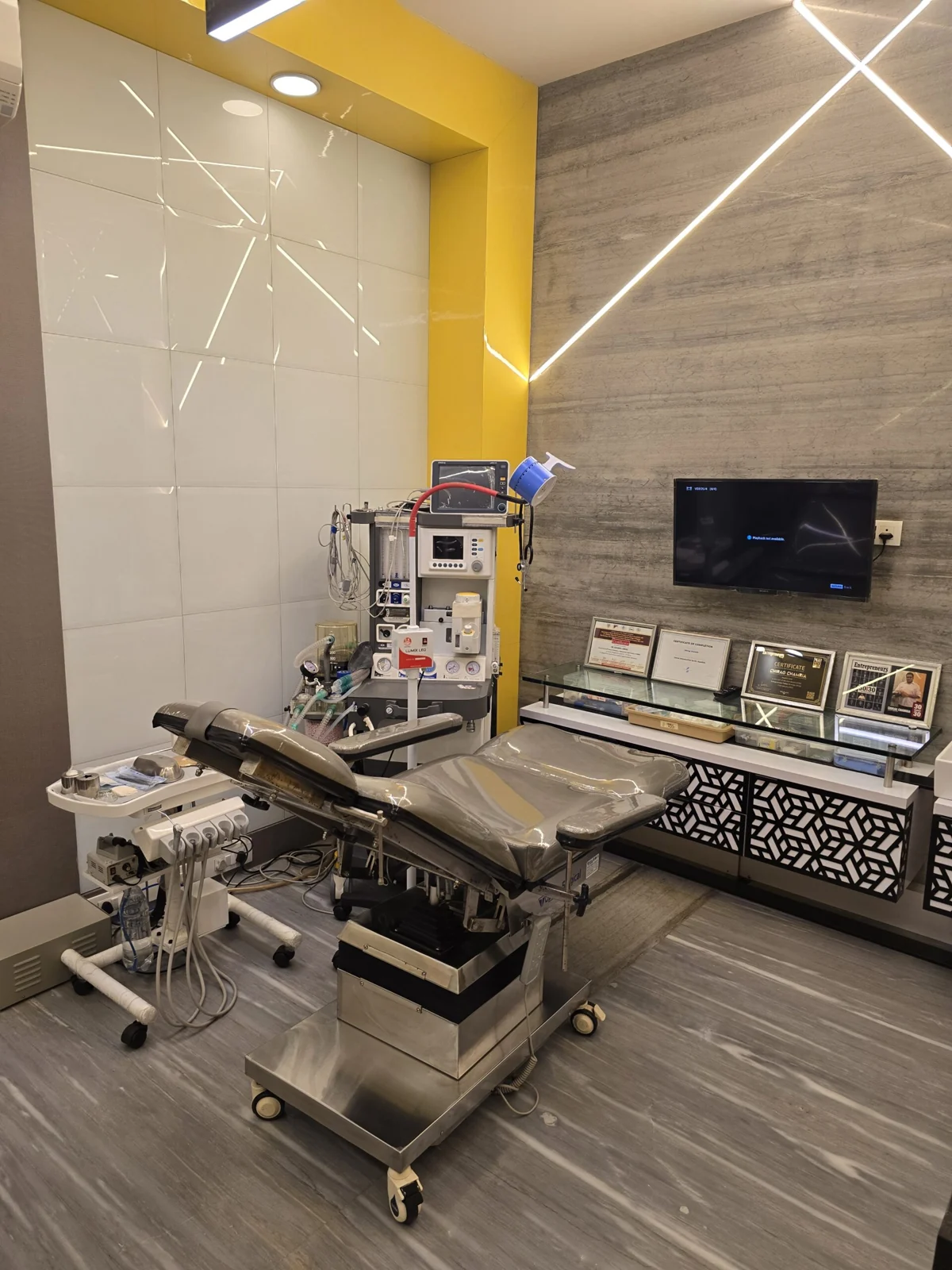
Designated treatment room at Royal Dental Clinics Mumbai

Assess symptoms and position

The surgeon checks pain, swelling, mouth opening, gum inflammation and the condition of adjacent teeth. Imaging shows the position and root anatomy. For a lower wisdom tooth, its relationship to the sensory nerve is relevant; upper teeth may relate to the sinus.

Monitor or remove

An asymptomatic tooth may be monitored when this is appropriate. Recurrent inflammation, decay, damage or other pathology may support removal. The discussion includes the consequences of keeping the tooth, the burden of surgery and the case-specific risks. Antibiotics alone do not settle every recurring problem.

Plan the procedure

Local anaesthesia is often used. Sedation or general anaesthesia may be considered according to the case and medical assessment. Surgery may involve access through the gum, division of the tooth and sutures where needed. In selected high-risk lower-tooth situations, the surgeon may discuss alternative techniques.

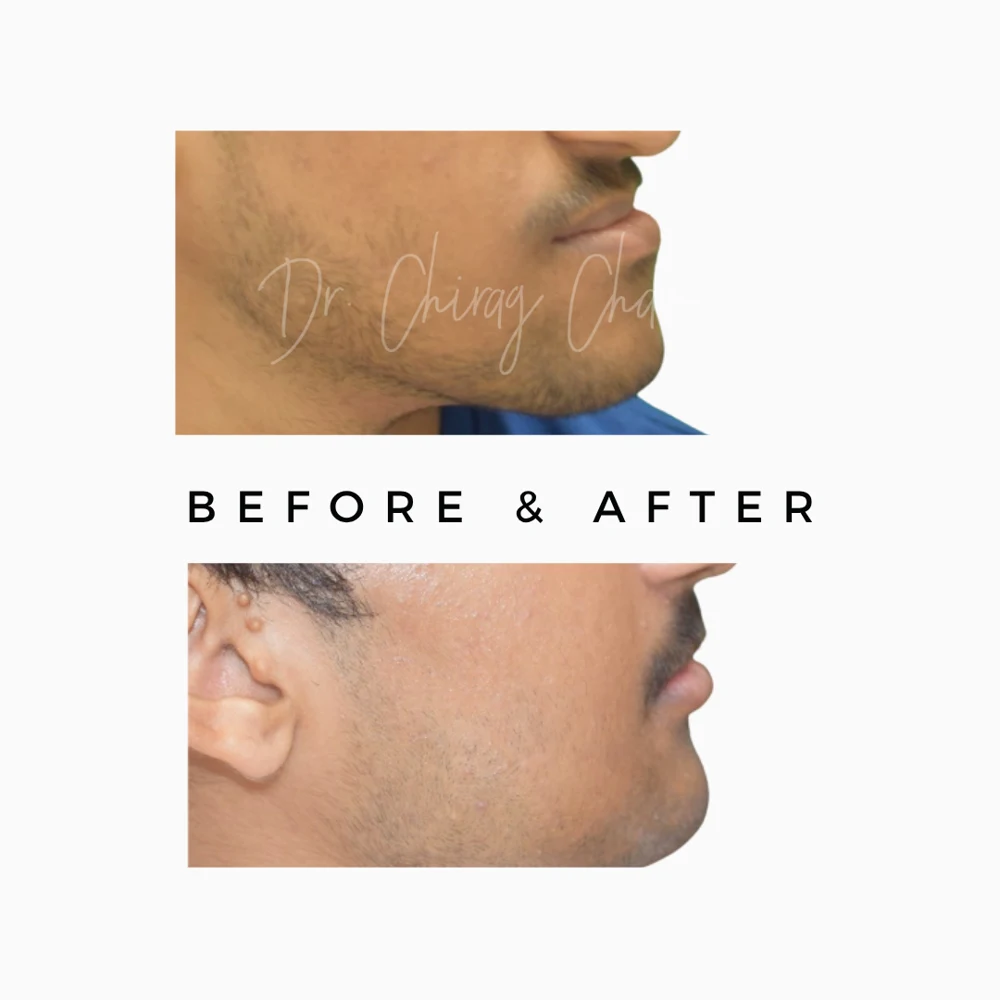
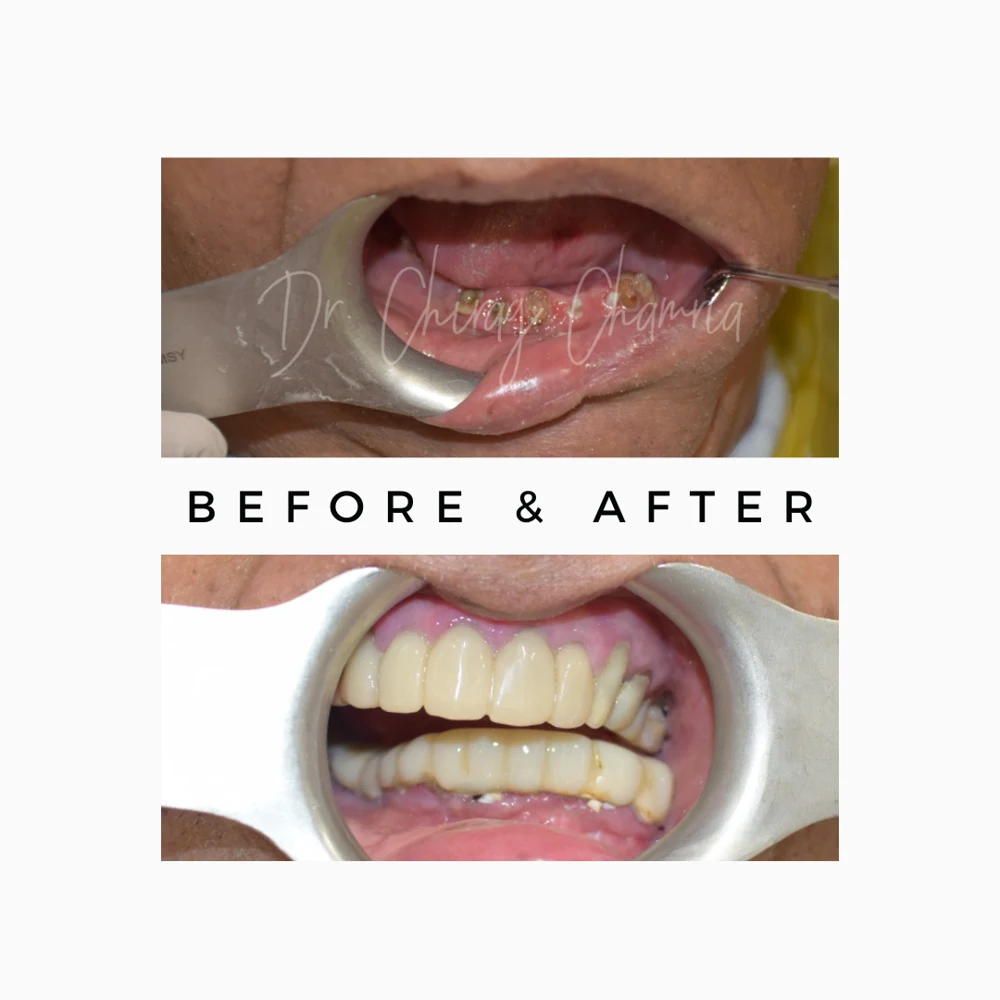
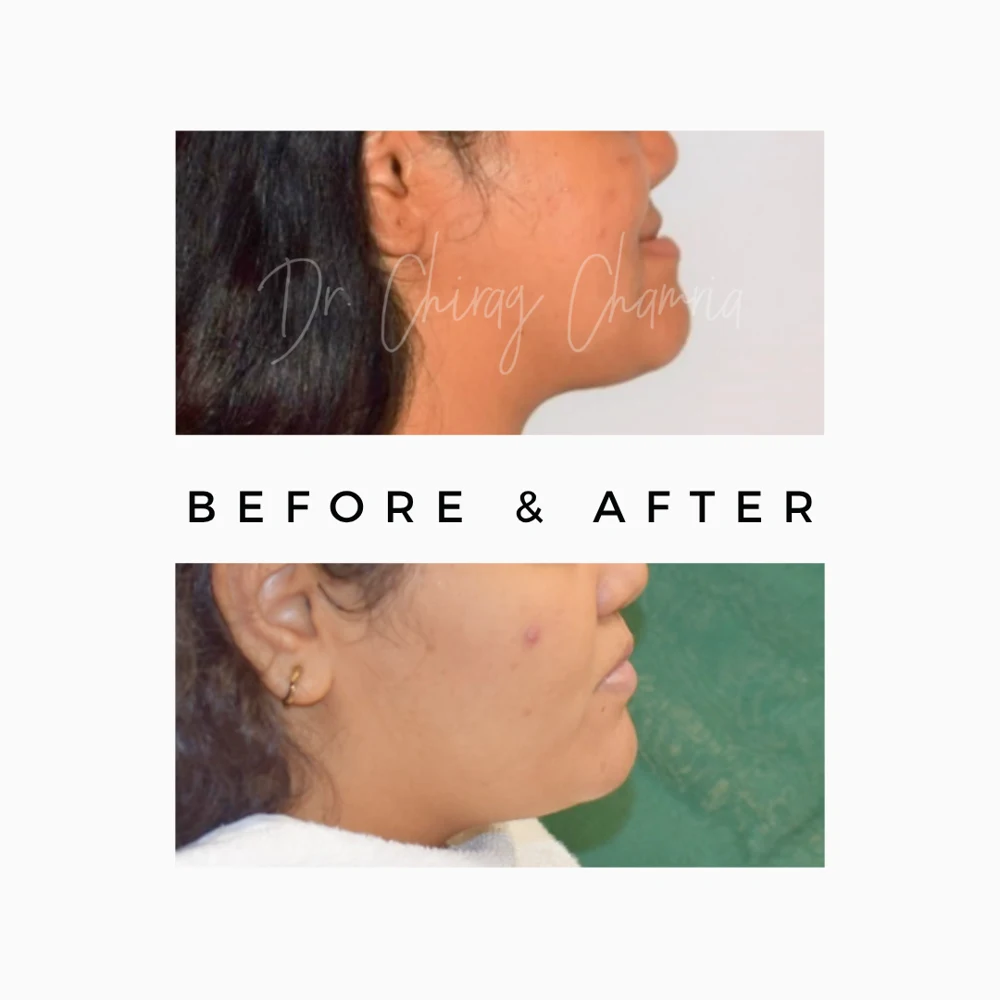
Before & after · Royal Dental patients

See the smiles.
Understand the possibilities.

Explore photographs of treatment published by our clinic. Your own plan starts with an individual assessment.

Actual photographs published by Royal Dental Clinics. Individual results vary; photographs alone do not establish the treatment, timeframe or suitability for another patient.

Questions before you decide

Your questions answered

No. Each tooth is assessed. Removal is recommended for a clinical reason, not simply because it is a wisdom tooth.

Some lower wisdom teeth lie close to a sensory nerve. The surgeon explains the relevant risk and planning options.

The expected recovery depends on the procedure and your work. Ask before scheduling important commitments.

The clinician assesses its position, symptoms, neighbouring tooth and nearby structures. Imaging is chosen according to the clinical question and may help discuss surgical risks.

Contact the clinic for worsening pain, continuing bleeding, increasing swelling, fever or altered sensation. Breathing or swallowing difficulty requires urgent medical assessment.

Start with a conversation

Let’s understand
what you need.

Tell us your concern and preferred centre. Our coordinator will help arrange the next step.

Consultation ₹1,500 · Usually 45–60 minutes
Your appointment is confirmed by the clinic.

Recovery and cost

Swelling, soreness and restricted opening can occur. Your estimate and care plan identify the surgical work, anaesthesia and review. The expected time away from work depends on complexity and your occupation. Follow instructions rather than comparing recovery with another person’s extraction.

When to contact the team

Report persistent bleeding, increasing pain, fever, worsening swelling or altered sensation. Follow the cleaning and eating instructions and attend review when advised. Breathing or swallowing difficulty requires urgent medical care.

Simple and surgical extraction

Extraction may be considered when a tooth is severely damaged, non-restorable, involved in infection or affected by another condition for which removal is appropriate. Wisdom teeth, impacted teeth and selected orthodontic situations require individual assessment.

A simple extraction is generally used when the tooth can be accessed directly. Surgical removal may require access through the gum, division of the tooth or other techniques suited to the anatomy. Imaging helps assess the roots and relevant surrounding structures.

The clinician explains the reason for removal, suitable alternatives, anaesthesia, expected recovery and risks. Share your full medicine list and medical history. Do not stop blood thinners or other prescribed treatment without advice from the responsible clinicians.

Treatment day, replacement and recovery

Royal Dental Clinics offers a coordinated assessment and extraction pathway for suitable cases. The clinical condition, available appointment and preparation requirements determine whether treatment can proceed at that visit.

Local anaesthesia is used where appropriate; sedation or another anaesthetic approach is considered according to need and suitability. After removal, the site is assessed, bleeding control is established and sutures are used when indicated.

Ask whether a missing tooth needs replacement, which options are suitable and when that stage can occur. An immediate implant or same-day fixed tooth is a separate clinical decision rather than an automatic part of extraction.

Follow the written instructions for food, cleaning, activity and prescribed medicines. Soft tissue and bone healing take different amounts of time, and a short treatment appointment does not mean complete healing. Contact the team for continued bleeding, worsening pain, fever, increasing swelling or other unexpected symptoms.

WhatsApp