Smile Care

Braces and Clear Aligners to Move Natural Teeth

Braces and clear aligners move teeth to improve alignment and selected bite relationships. The assessment checks tooth position, gum support, jaw relationships and the movements needed before comparing treatment options.

Mechanism
Moves natural teeth over time
Assessment
Alignment gums and bite
Maintenance
Retainers after treatment
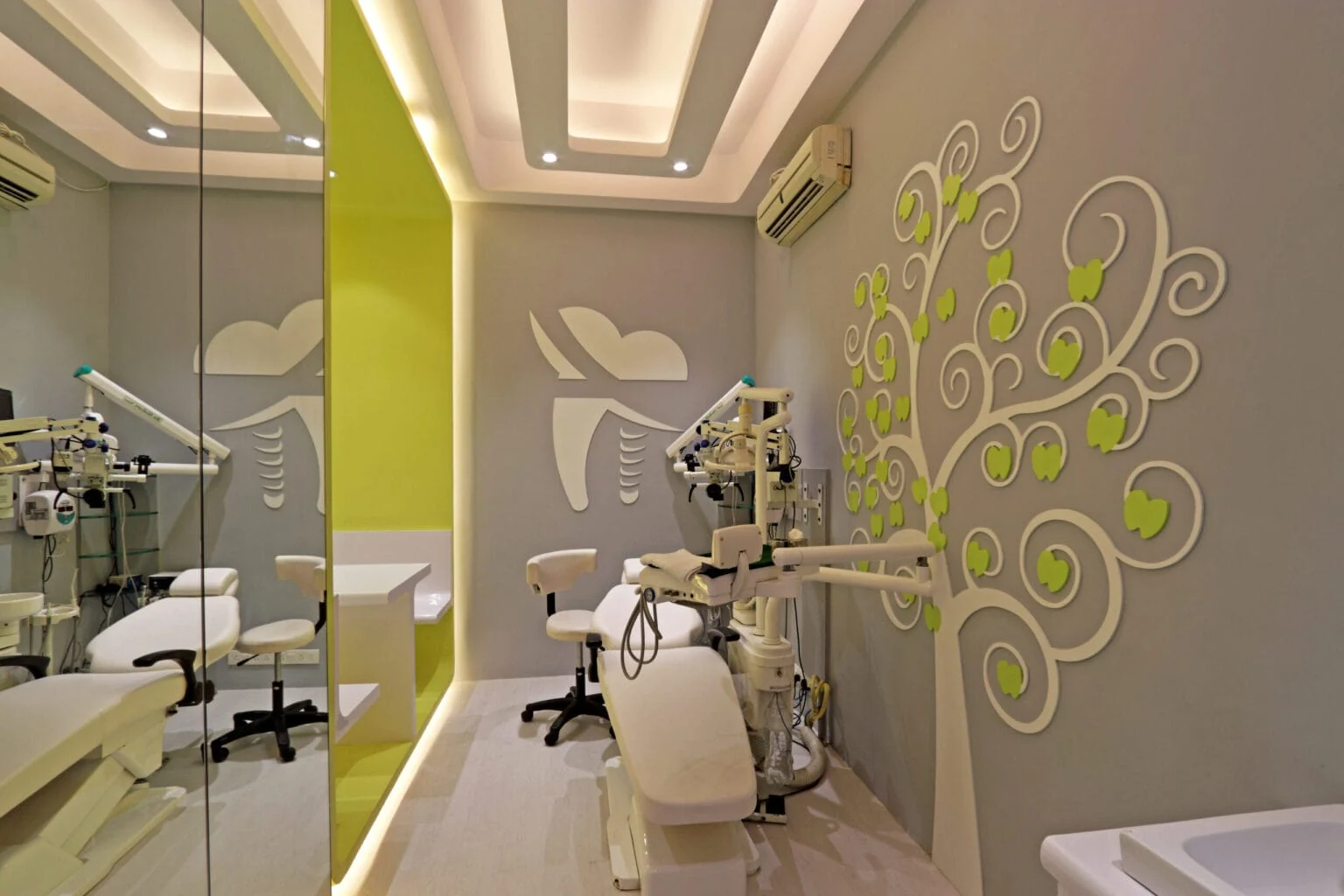
Dental treatment area at Royal Dental Clinics Mumbai

When tooth movement is appropriate

Crowding, gaps, protrusion or an uneven bite may benefit from orthodontic treatment. The dentist or orthodontic team assesses the cause and the health of supporting tissues. Some jaw relationships need a combined surgical and orthodontic plan. Gum disease must be controlled where it affects safe movement.

Braces or aligners

Fixed braces and removable aligners have different mechanics and practical requirements. Aligners need consistent wear, may use attachments and are not suitable for every movement. Braces may be preferable for some complex corrections. The team explains the expected benefits, limitations and cooperation needed.

Records and treatment sequence

Photographs, scans and appropriate X-rays support the plan. Discuss whether extraction, gum treatment or restoration is required and why. Regular monitoring checks movement and oral health. The timeline reflects the complexity and biological response; treatment does not move teeth into a new position in one day.
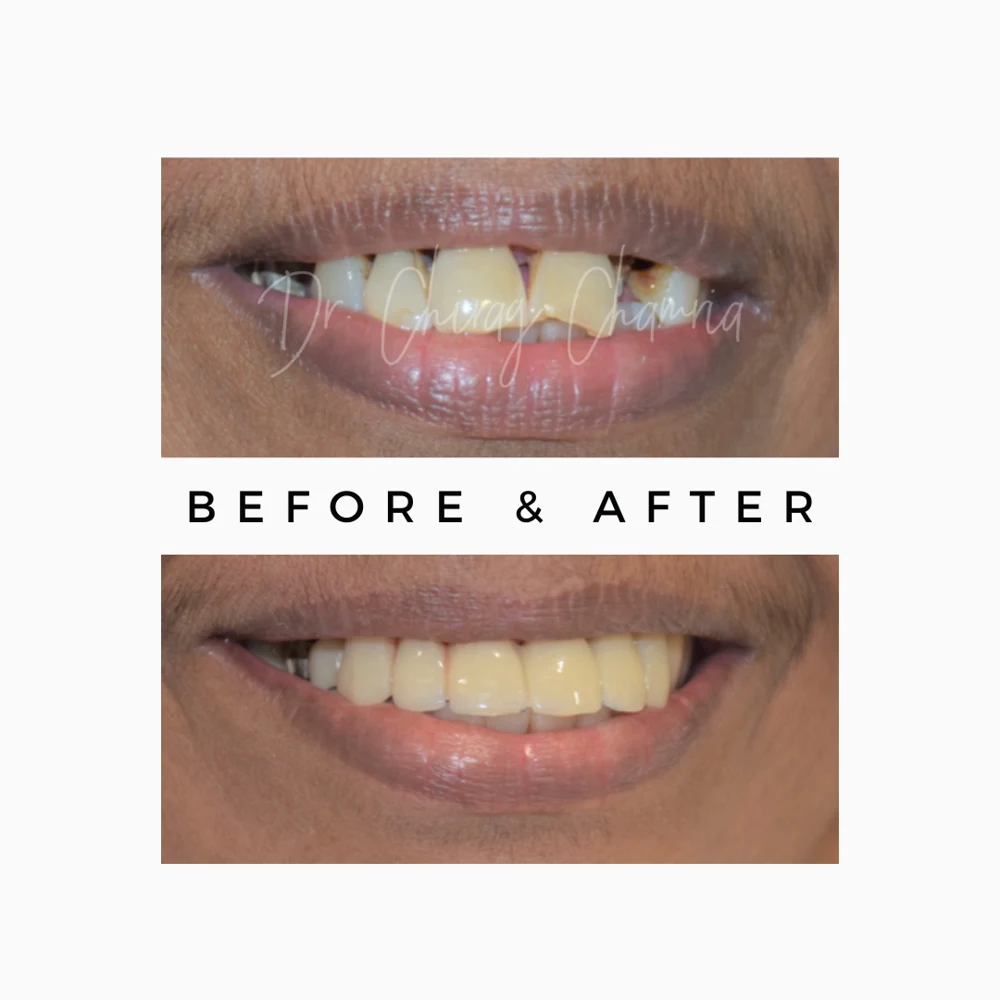
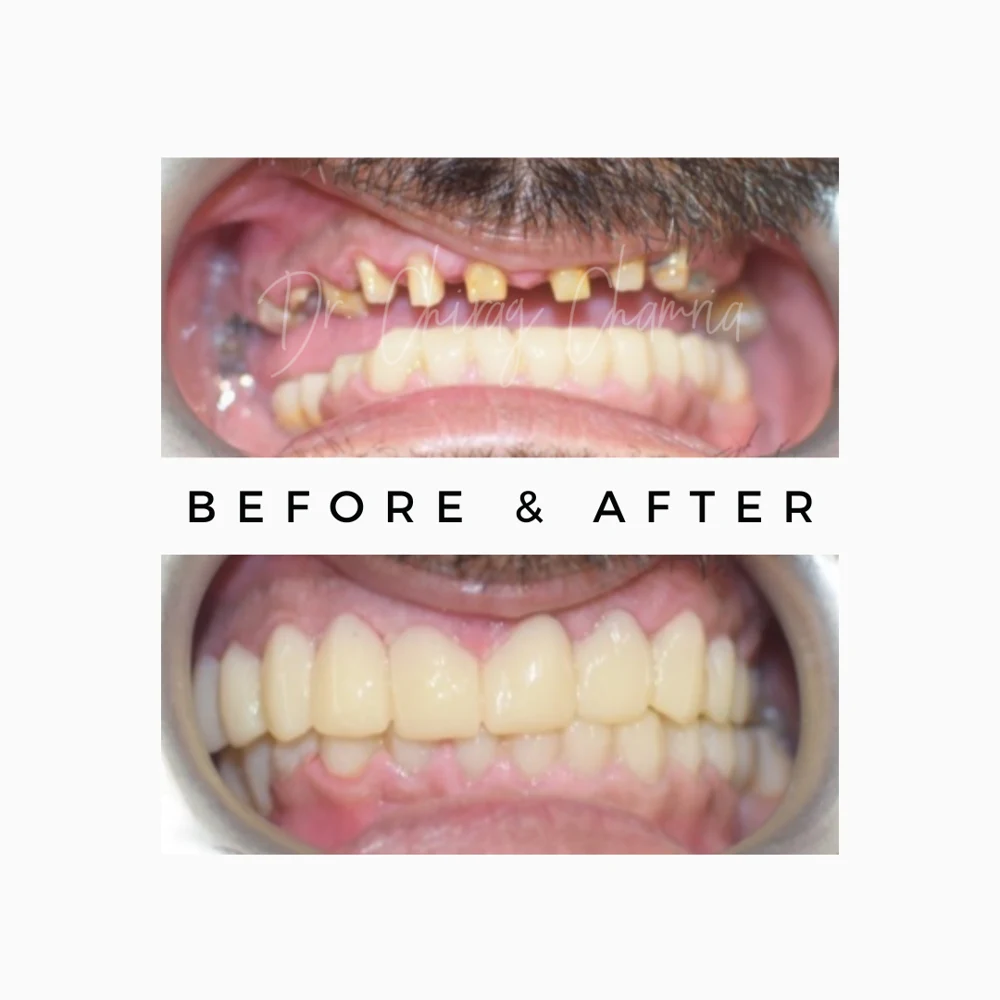
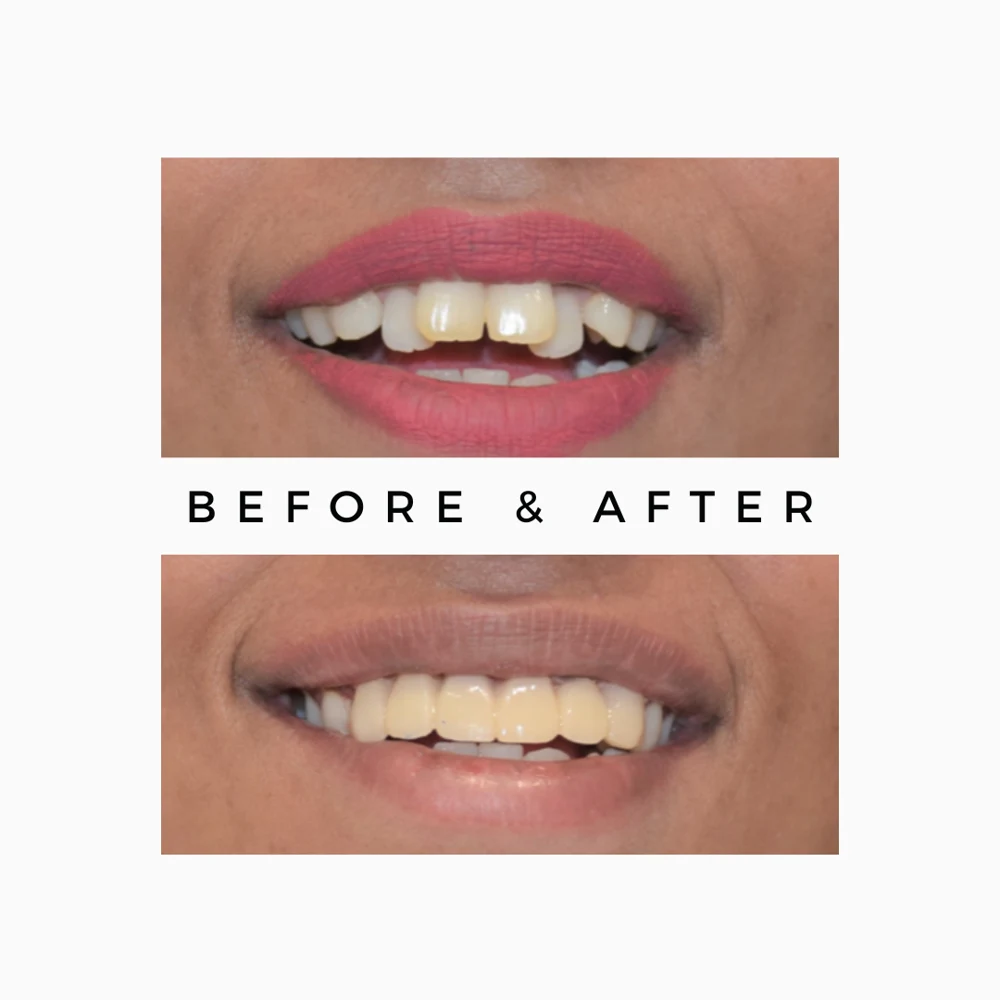
Before & after · Royal Dental patients

See the smiles.
Understand the possibilities.

Explore photographs of treatment published by our clinic. Your own plan starts with an individual assessment.

Actual photographs published by Royal Dental Clinics. Individual results vary; photographs alone do not establish the treatment, timeframe or suitability for another patient.

Questions before you decide

Your questions answered

No. Tooth movement takes time. Same-day cosmetic reshaping with restorations is a different treatment and has different implications.

Many adults can be treated. Gum support, dental condition and medical considerations are assessed first.

Not automatically. The team assesses space and the bite, then explains whether extraction or another method is appropriate.

Teeth can move after active orthodontic treatment. Retainers help maintain the planned position when worn and reviewed as instructed.

The estimate depends on the tooth movements, bite correction and cooperation needed. Your orthodontic plan should explain review visits, appliance care and factors that could change the timeline.

Start with a conversation

Let’s understand
what you need.

Tell us your concern and preferred centre. Our coordinator will help arrange the next step.

Consultation ₹1,500 · Usually 45–60 minutes
Your appointment is confirmed by the clinic.

Cost and retainers

The estimate should identify the appliance, monitoring visits, refinements where applicable and retention plan. Teeth can move again after treatment, so retainers are usually needed. Ask how long they should be worn and what replacement or follow-up may cost.

Daily care during movement

Maintain careful hygiene around braces or attachments and follow wear instructions. Contact the team for a damaged appliance, a poor-fitting aligner or persistent irritation. Attend reviews and avoid changing the prescribed sequence without advice.

How different smile treatments work

Whitening aims to change natural tooth colour. Bonding, veneers and crowns alter or restore the visible tooth form. Braces and aligners move teeth over a planned period. Existing restorations, gum health, tooth position and bite can affect which route is suitable.

There are several ways to improve a smile, and combining treatments may be appropriate in some cases. Ask why each proposed procedure is needed, whether a more conservative alternative is suitable and how the result will be maintained.

WhatsApp