Oral Surgery

Oral and Maxillofacial Surgery

Oral and maxillofacial surgery addresses selected conditions of the teeth, jaws, mouth and facial structures. Dr Chirag Chamria and the team assess the diagnosis, functional needs and appropriate setting for treatment.

Lead
Oral and maxillofacial surgeon
Plan
Diagnosis before procedure
Setting
Matched to surgical needs
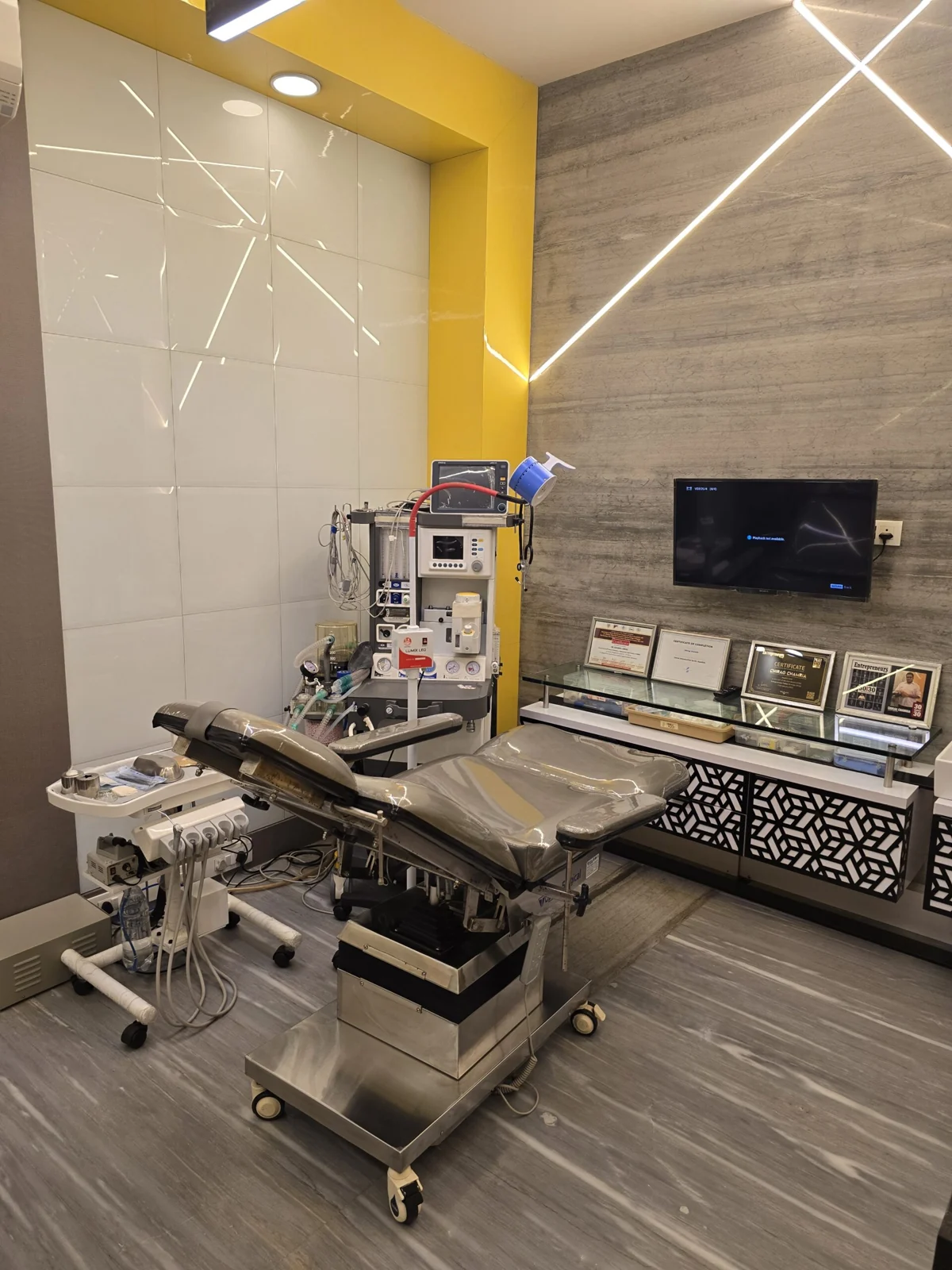
Designated treatment room at Royal Dental Clinics Mumbai

Concerns assessed by the surgeon

Consultation may involve a difficult tooth extraction, implant reconstruction, a jaw relationship, facial injury, a jaw lesion or rehabilitation after cancer treatment. The first step is to establish the problem and whether surgery is needed. Some concerns can be managed with conservative dental or medical care.

Examination and investigations

The surgeon reviews symptoms, medical history, earlier treatment and relevant records. Imaging, laboratory tests or biopsy may be advised where they answer a clinical question. A persistent mouth lesion should be assessed promptly rather than selected for treatment from a photograph.

Your surgical plan

The discussion covers the objective, alternatives, extent of the procedure, anaesthesia, risks and expected recovery. Complex work may involve other clinicians or a hospital setting. The team explains who is involved and where each stage will take place.
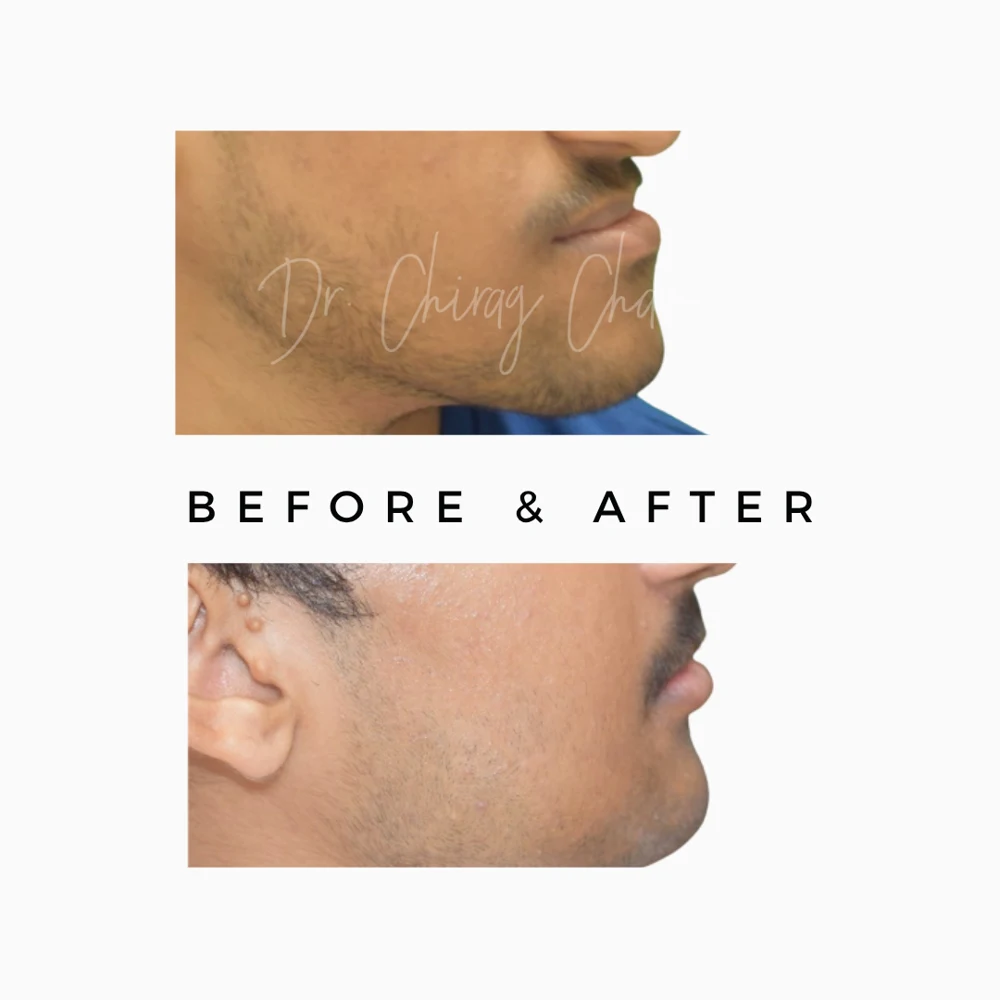
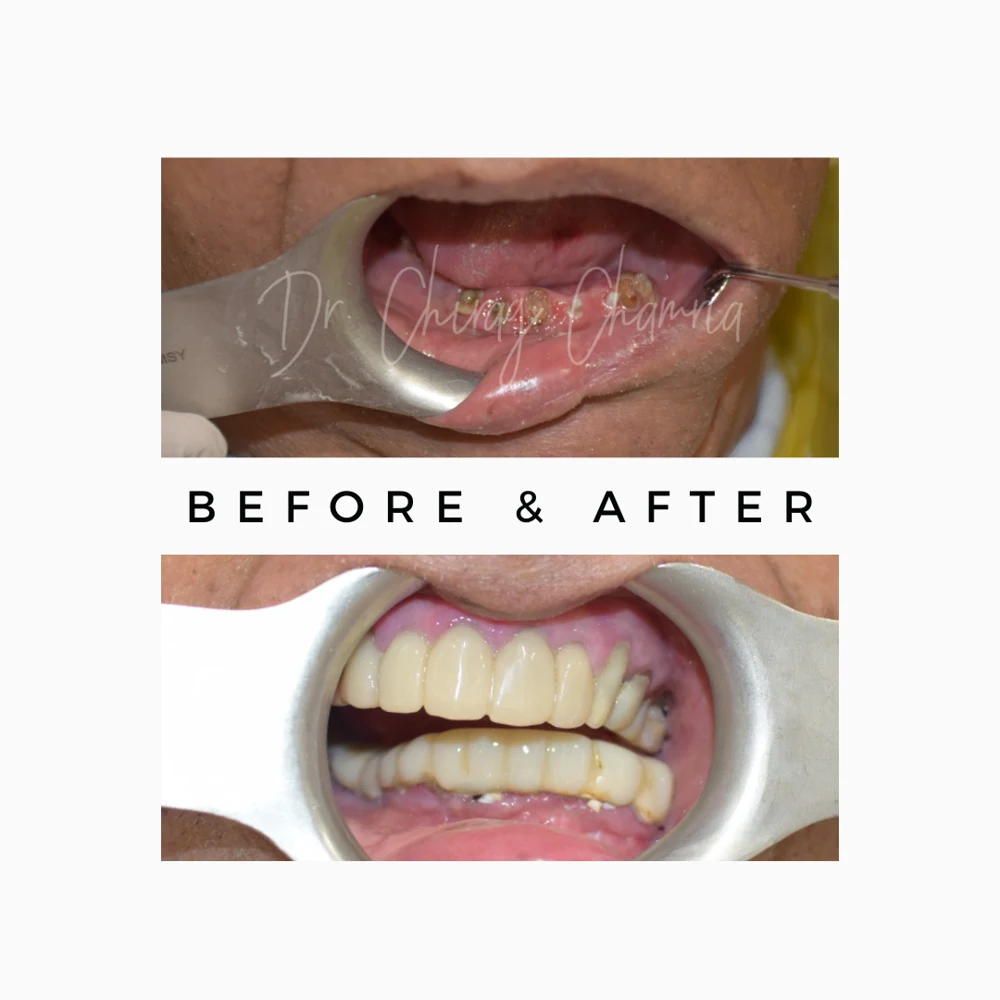
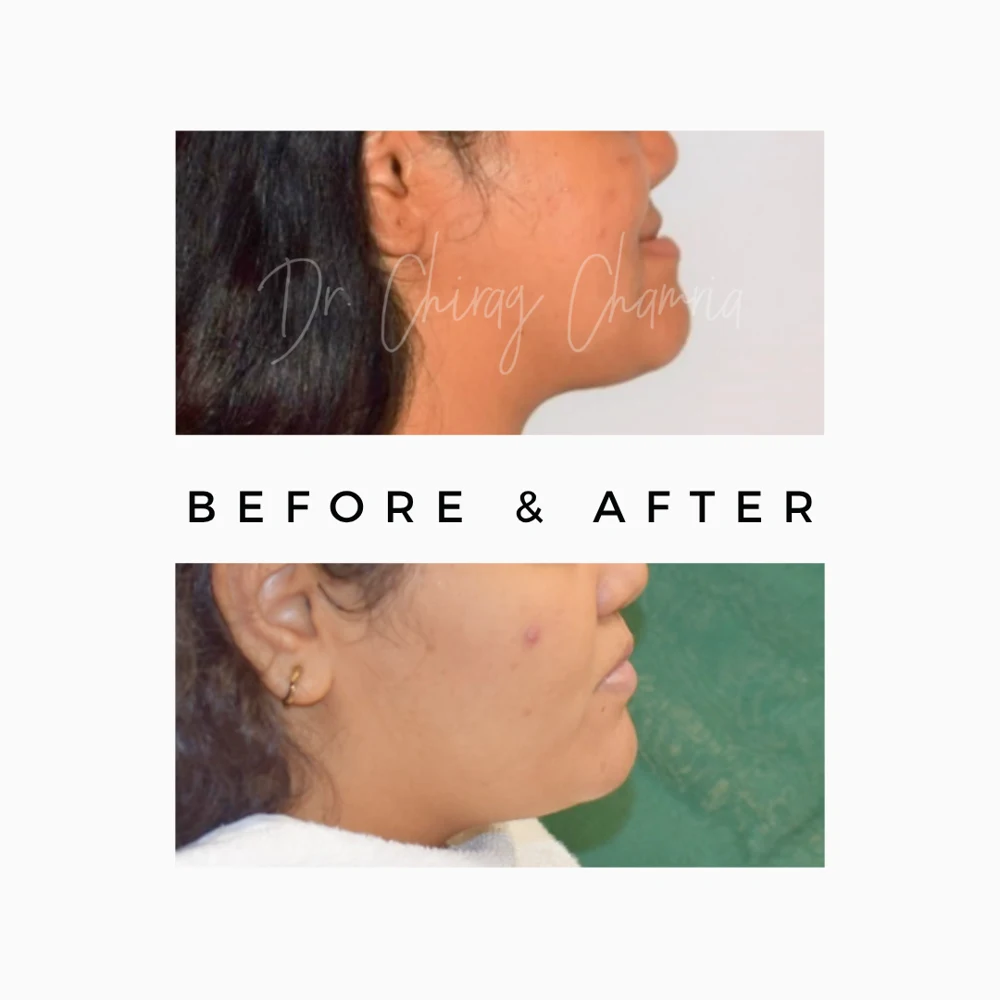
Before & after · Royal Dental patients

See the smiles.
Understand the possibilities.

Explore photographs of treatment published by our clinic. Your own plan starts with an individual assessment.

Actual photographs published by Royal Dental Clinics. Individual results vary; photographs alone do not establish the treatment, timeframe or suitability for another patient.

Questions before you decide

Your questions answered

No. The surgeon establishes the diagnosis and considers conservative or other appropriate treatment.

Yes. Bring scans, reports and records so the team can assess existing information before arranging more investigations.

The setting depends on the procedure, medical needs and required support. The team confirms this in your plan.

The specialty includes conditions affecting the mouth, jaws and face, such as difficult extractions, jaw deformity, trauma and selected reconstructive needs. The appointment identifies the appropriate pathway for your concern.

The plan depends on the procedure, medical health and appropriate care setting. Discuss fasting, an escort, medicines, time away from work and follow-up before surgery.

Start with a conversation

Let’s understand
what you need.

Tell us your concern and preferred centre. Our coordinator will help arrange the next step.

Consultation ₹1,500 · Usually 45–60 minutes
Your appointment is confirmed by the clinic.

Practical arrangements

The written estimate identifies the surgical scope, investigations, anaesthesia and planned follow-up. Some procedures are outpatient care; others need additional monitoring or recovery arrangements. Confirm the treating centre, preparation, caregiver needs and restrictions on driving or work.

Review after surgery

Follow the care instructions and attend the planned reviews. Contact the clinical team for worsening pain, swelling, persistent bleeding or a change in sensation. Rapidly spreading swelling, breathing or swallowing difficulty and uncontrolled bleeding need urgent care.

Jaw alignment, function and facial proportions

Jaw relationships can affect chewing, speech, facial balance and selected airway concerns. An uneven jaw relationship can have developmental, congenital or traumatic causes. Symptoms such as clicking or jaw pain can also arise without a jaw position that needs surgery.

The assessment combines the facial and dental examination with appropriate records and imaging. It considers whether orthodontic treatment alone can address the problem or whether a combined surgical plan is reasonable. Breathing-related symptoms may require assessment with other relevant clinicians.

Definitive jaw correction is commonly planned after growth has stabilised. The appropriate timing also depends on the diagnosis, medical health and the sequence of orthodontic care. A general age range cannot decide suitability for an individual.

WhatsApp