Cost and treatment time
Cost depends on the number and type of implants, the teeth being fitted, material, imaging, anaesthesia and additional treatment. Ask for an itemised estimate. Same-day fitting is separate from biological healing, which continues over time. Some cases need delayed loading, grafting or a staged approach.
Recovery and maintenance
Follow the individual eating and cleaning instructions while healing. Attend early reviews, then continuing maintenance and bite checks. Potential problems include infection, failure to integrate, nerve or sinus injury in relevant sites, and damage to restorative components. The surgeon explains the risks that apply to your anatomy.
How the same-day implant pathway is organised
The Royal Dental workflow starts with registration, history taking and clinical examination. Existing X-rays and treatment records are reviewed, and investigations such as OPG, RVG or CBCT are selected where needed to assess the teeth, available bone and relevant structures.
The clinician then explains suitable options, risks, restorative choices and the expected sequence. The agreed treatment plan and estimate should identify what is included and whether fixed teeth are expected on the treatment day. Clinical findings or implant stability can change an immediate-loading plan.
Digital impressions or other records are used to prepare models and design the teeth. The laboratory and clinical teams coordinate production with the surgical and restorative stages. Before fixation, the restoration needs checks for fit, appearance, cleaning access and bite.
Local anaesthesia is used for appropriate procedures, with further anaesthesia or sedation planning according to your health and treatment. Rest and waiting arrangements can be discussed in advance. The team explains eating, cleaning and follow-up before you leave.
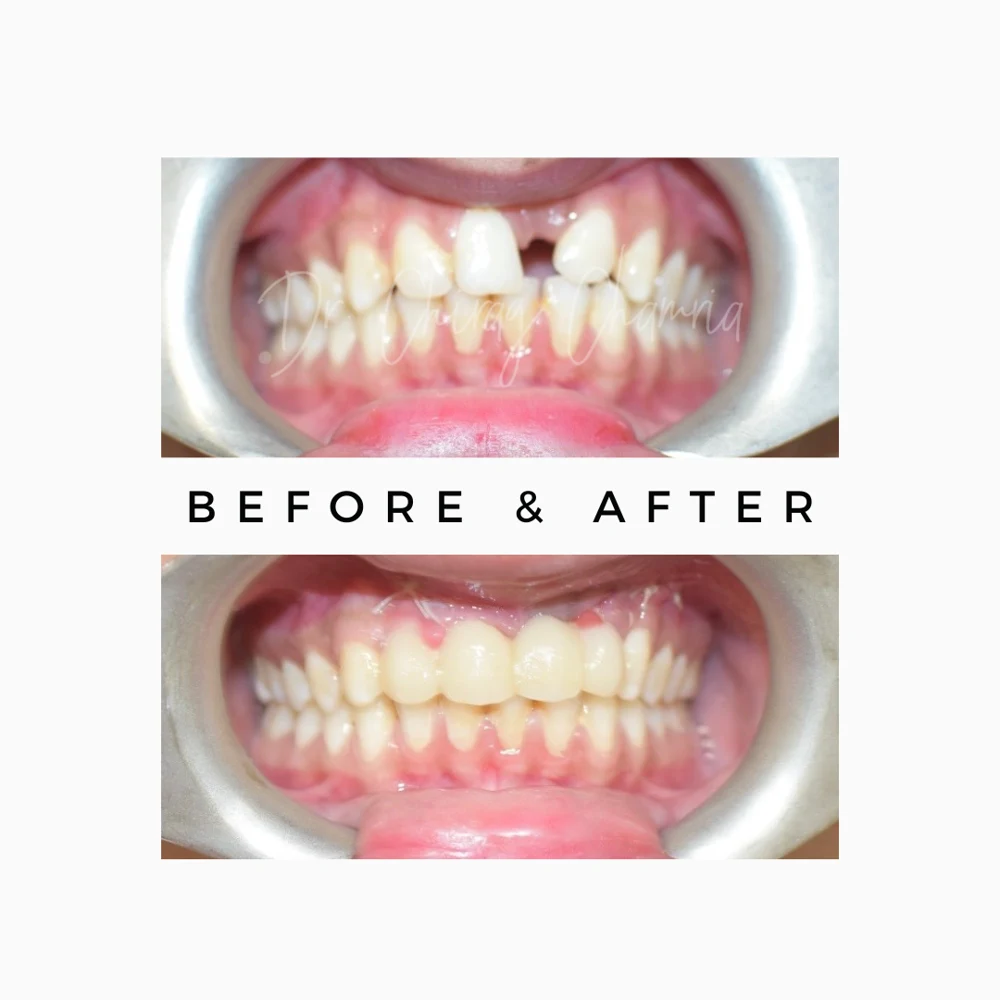
Receiving fixed teeth quickly does not mean that the tissues have completed healing. It is important to understand whether the teeth provided are provisional or final, any planned later stages, and what symptoms should prompt contact with the clinic.
What an implant replaces and what it supports
A dental implant replaces the root support of a missing tooth. A crown, bridge or another prosthesis forms the visible replacement. Titanium and zirconia are different implant materials; a ceramic crown does not mean that the implant beneath it is ceramic.
Implant-supported treatment can be planned for a single missing tooth, a longer gap or an arch. Remaining teeth should be assessed individually before extraction is proposed. The number and distribution of implants follow the anatomy, bite and restorative requirements rather than a fixed package.
Alternatives may include a tooth-supported bridge or removable teeth. Discuss the condition of neighbouring teeth, surgery, cleaning, maintenance, cost and your priorities when comparing suitable choices.
Age, health and implant suitability
The assessment considers whether jaw growth is complete, the condition of the gums and bone, medical health, medicines, tobacco exposure and the ability to maintain the restoration. Age alone does not determine suitability; an older person’s general health and support needs still matter.
Explain any previous implant failure or diagnosed material allergy, but do not assume that implant loss proves an allergy to titanium. Infection, bone support, mechanical factors, the prosthesis and other causes may require investigation. Material selection should follow a clear clinical reason.
Understanding options when upper-jaw bone is limited
An upper jaw with substantial bone loss can make conventional implant positioning difficult. Depending on the clinical findings, the discussion may include grafting, sinus-related procedures, different implant configurations or selected advanced approaches.
Zygomatic implants use support from the cheekbone in selected upper-jaw cases. Pterygoid implants may be considered for posterior support as part of a suitable plan. These are distinct approaches with specific anatomical, surgical and restorative requirements.
Ask why an approach is proposed for you, which alternatives are reasonable, the potential complications and the aftercare arrangements. Neither a description of “less bone” nor an online photograph can establish that an advanced implant procedure is appropriate.
Costs, scope of treatment and long-term value
Treatment planning supports both local and international patients. A useful cost comparison starts with the complete scope: consultation, investigations, surgery, implant components, the teeth, laboratory work, reviews and any additional procedures.
Confirm what a price per implant includes and whether it refers to surgery alone or a completed tooth replacement. For an arch or full-mouth plan, ask about the material and status of the teeth fitted, any staged replacement and the applicable service terms.
Costs from different countries or providers are only comparable when the treatment scope is similar. Include travel, local stay, future maintenance and the practical arrangements for a problem after you return home.