Save Your Teeth

Gum Disease Assessment and Treatment

Bleeding, swelling, recession or loose teeth can indicate a gum problem. Gum care aims to control inflammation and infection, preserve useful support and make daily cleaning more effective.

Symptoms
Bleeding recession or movement
Foundation
Cleaning and disease control
Follow-up
Risk-based maintenance
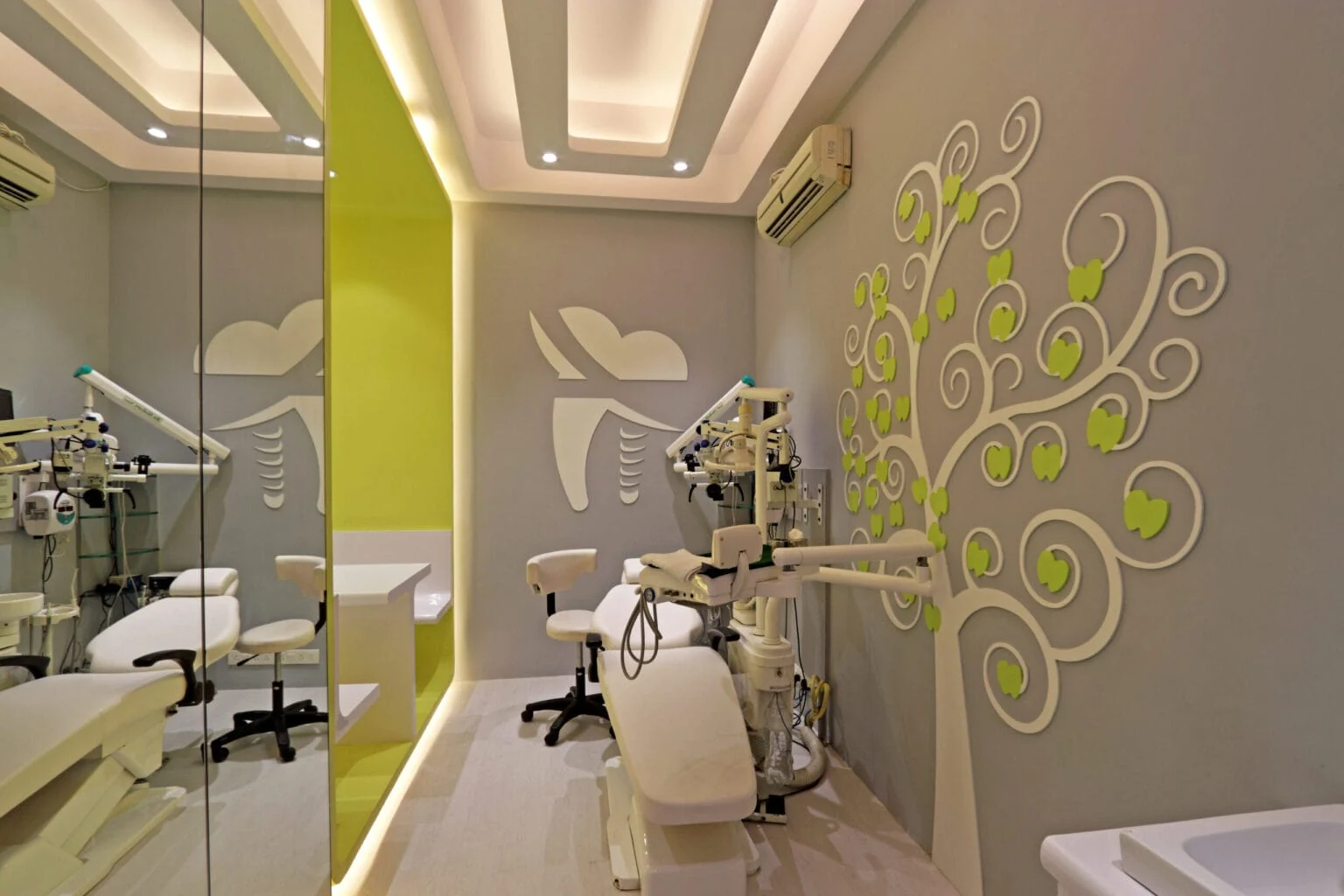
Dental treatment area at Royal Dental Clinics Mumbai

Assess the gum condition

The dentist reviews plaque and deposits, gum bleeding, pocketing, recession and tooth movement. Appropriate imaging may help assess bone support. Smoking, diabetes and other health factors are relevant. Gum disease can progress with limited pain, so symptoms alone do not show its severity.

Initial treatment and home care

Professional cleaning and detailed hygiene instruction are often the starting point. More advanced disease may need deeper treatment and selected surgery after reassessment. The plan considers both the diseased sites and your ability to maintain them. A mouthwash does not replace effective cleaning or indicated treatment.

When teeth are loose or missing

The team assesses which teeth can be maintained and whether stabilisation or restoration is needed. Disease control is important before implants or complex cosmetic care. Extraction is discussed where support and prognosis make preservation unreasonable, with replacement options explained separately.
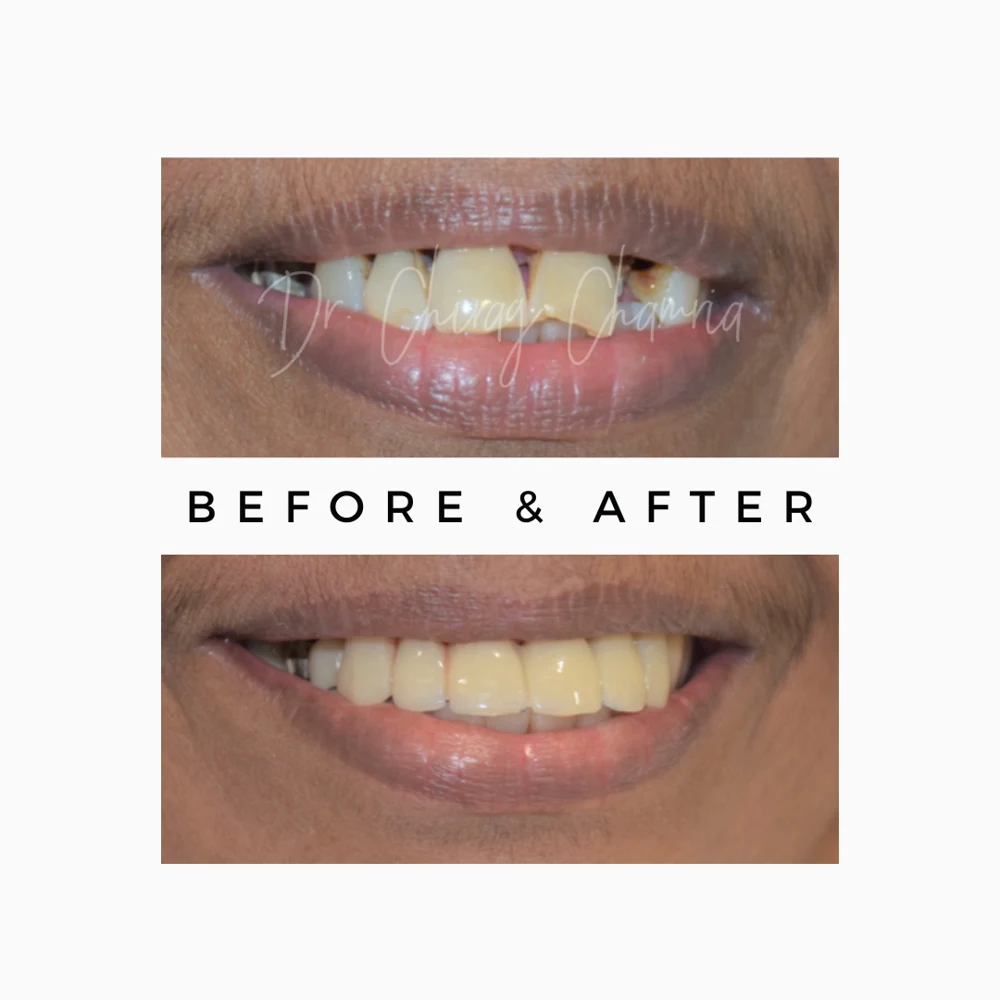
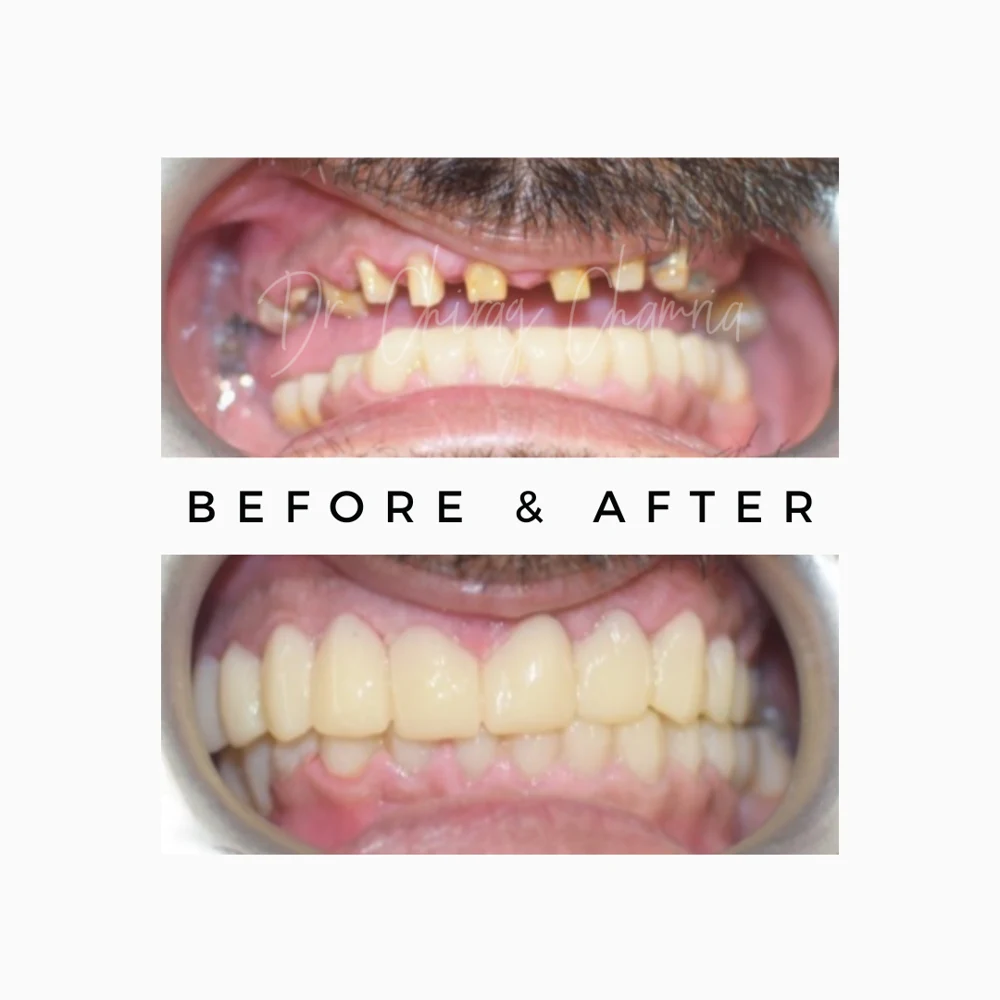
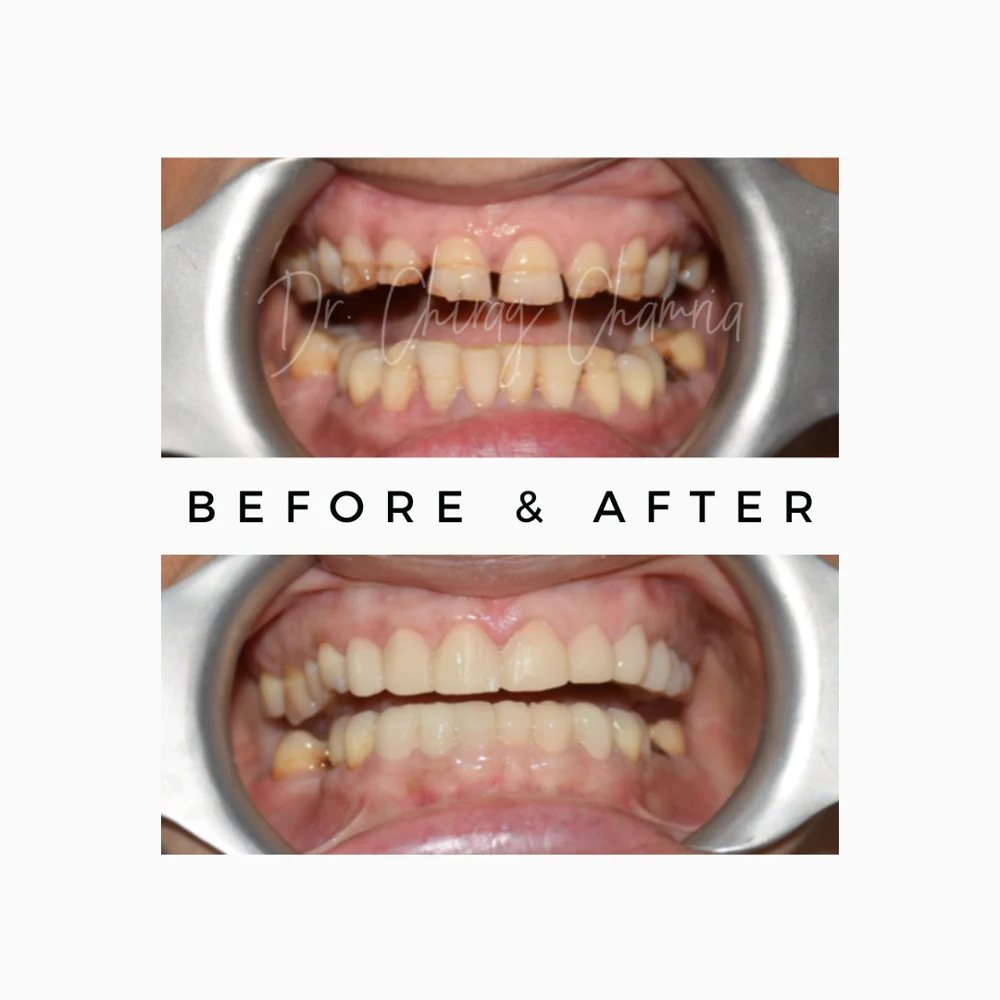
Before & after · Royal Dental patients

See the smiles.
Understand the possibilities.

Explore photographs of treatment published by our clinic. Your own plan starts with an individual assessment.

Actual photographs published by Royal Dental Clinics. Individual results vary; photographs alone do not establish the treatment, timeframe or suitability for another patient.

Questions before you decide

Your questions answered

Persistent bleeding needs assessment. It may indicate inflammation even if the gums do not hurt.

Inflammation can also affect tissues around implants. Healthy maintenance before and after implant treatment matters.

Cleaning removes deposits and helps assess the support that remains. Mobility often reflects the underlying disease rather than the removal of tartar.

Treatment begins with an assessment and improving plaque control. Professional cleaning, deeper periodontal treatment and further procedures may be needed according to the diagnosis.

Gum disease can recur without continuing care. Reviews help assess cleaning, inflammation, pockets and changes in support, and determine the next maintenance interval.

Start with a conversation

Let’s understand
what you need.

Tell us your concern and preferred centre. Our coordinator will help arrange the next step.

Consultation ₹1,500 · Usually 45–60 minutes
Your appointment is confirmed by the clinic.

Cost and timing

The estimate reflects the extent of care, number of visits, investigations and any surgical work. Early response is reassessed before the next stage. Gum treatment is a continuing process; improvement at one visit does not remove the need for maintenance.

Protecting the result

Maintain the brushing and interdental method shown by the team. Attend professional maintenance at the interval appropriate to your disease and risk factors. Report recurrent bleeding, swelling or loosening. Smoking cessation and control of relevant medical conditions can support the wider care plan.

Preserving teeth by treating the cause

Natural teeth should be assessed for preservation before removal is proposed. Suitable care may include a filling, root canal treatment, gum treatment, splinting, bite management or a protective restoration.

The choice depends on the damage, infection, remaining structure and supporting tissues. A tooth with a vertical root fracture, severe loss of support or another non-restorable condition may have a poor prognosis despite extensive treatment. Compare the likely benefit, limitations and ongoing care of each reasonable option.

If you are seeking a second opinion, bring previous X-rays, treatment records, prescriptions and the plan already recommended. Explain your symptoms and what outcome matters most to you.

Investigating tooth movement and bleeding gums

Assessment of a loose tooth examines the amount and direction of movement, periodontal pocket depth, gum condition, bone support and bite forces. Infection, trauma, grinding and advanced gum disease may contribute to movement, but the cause needs to be identified in each case.

Initial care may include cleaning and periodontal treatment, with splinting, bite management or restorative support in selected cases. Stabilising a tooth does not remove the need to treat the underlying cause. The tissue response and prognosis need review.

Persistent bleeding, gum recession, bad breath, swelling or a change in chewing comfort deserve assessment. Inform the clinician about diabetes, medicines and other relevant medical conditions. Costs and treatment duration depend on the combination of care needed rather than one standard “loose tooth” procedure.

WhatsApp