
Dental Implants

Assessment of a Failed or Troublesome Dental Implant

Pain, looseness, swelling or repeated problems around an implant need an examination. The first step is to understand the cause and which parts of the original implant and teeth can reasonably be maintained.

First step
Identify the cause
Records
Implant and restoration details
Plan
Repair preserve or replace
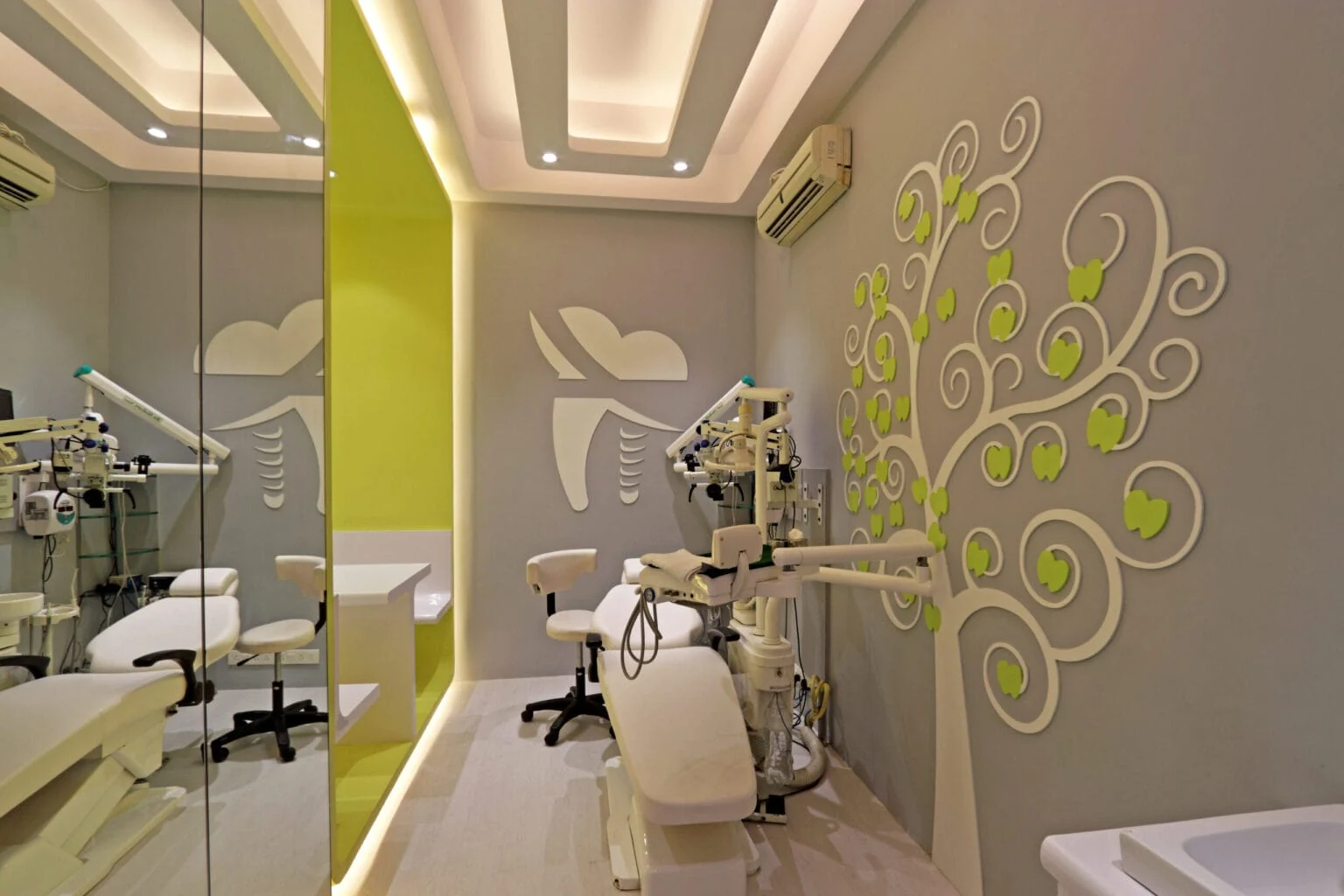
Dental treatment area at Royal Dental Clinics Mumbai

Different problems need different care

A loose screw or damaged bridge is different from an implant that has lost bone support. Gum inflammation, infection, bite overload and unsuitable cleaning access may also contribute. The dentist checks the restoration and tissues, reviews imaging and examines the rest of the mouth before proposing a repair or replacement.

Bring the original records

Useful information includes implant brand and dimensions, surgery dates, previous scans, the original plan, restoration details and maintenance history. Tell the team about smoking, health changes and treatment received elsewhere. The records help identify compatible components and avoid unnecessary assumptions.

Preserve what remains suitable

Treatment may involve hygiene care, restoration repair, bite adjustment, disease management or surgery. Some implants can be maintained; others need removal. A replacement plan should address the reason for failure and the remaining bone, rather than simply repeating the previous configuration.
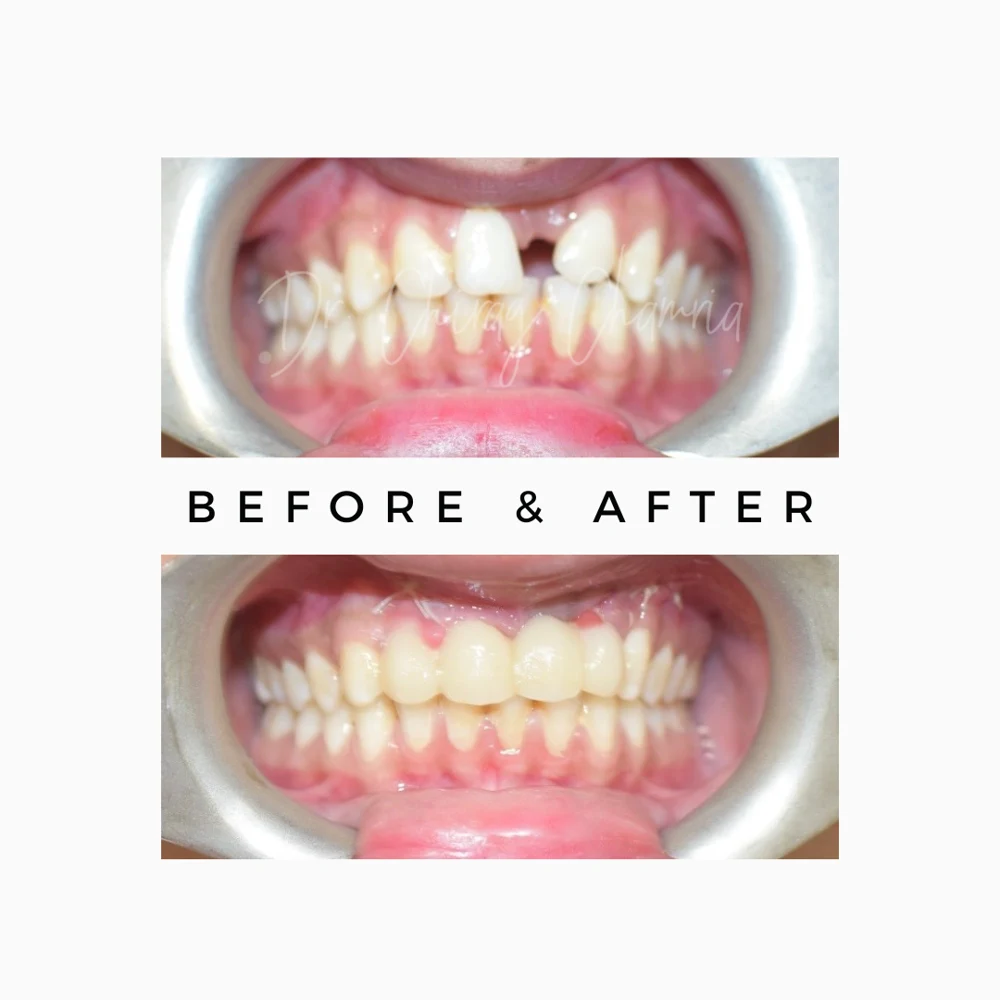
Before & after · Royal Dental patients

See the smiles.
Understand the possibilities.

Explore photographs of treatment published by our clinic. Your own plan starts with an individual assessment.

Actual photographs published by Royal Dental Clinics. Individual results vary; photographs alone do not establish the treatment, timeframe or suitability for another patient.

Questions before you decide

Your questions answered

No. Pain may arise from the tissues or restoration. Examination and imaging determine the cause and the reasonable treatment.

Possibly. Compatibility, access and the condition of the work matter. Bring the implant identification and original records.

Sometimes, but infection, available bone, surgical needs and stability determine whether immediate replacement and loading are suitable.

Bring the implant brand and component details if available, earlier imaging, treatment dates and a history of symptoms or repairs. This helps the team identify possible causes and compatible options.

Assessment may examine tissue health, bone levels, implant stability, prosthesis fit and bite forces. Treating the underlying cause matters when planning a repair or replacement.

Start with a conversation

Let’s understand
what you need.

Tell us your concern and preferred centre. Our coordinator will help arrange the next step.

Consultation ₹1,500 · Usually 45–60 minutes
Your appointment is confirmed by the clinic.

Advanced replacement options

Where significant upper-jaw bone loss remains, conventional implants, grafting, zygomatic or pterygoid support may be discussed. Immediate fixed teeth may be possible for selected reconstructions, but active disease, anatomy and stability affect the decision. Complex cases may need staged care.

Cost and follow-up

The estimate depends on investigation, removal, compatible parts, replacement implants and new teeth. Repairs to previous work and covered clinic service are separate questions. Agree on early reviews and a long-term cleaning and bite-check schedule. Seek prompt assessment for swelling, pus, significant pain or mobility.

Assessing an existing implant before deciding on replacement

Pain, bleeding or looseness can arise from different parts of implant treatment. The clinician examines the surrounding tissues, bone support, the implant and the restoration to distinguish biological concerns from mechanical or restorative problems.

Keep earlier operative records and implant component details where available. The ability to repair a restoration may depend on the design and availability of compatible components. The plan should address the suspected cause before another implant or prosthesis is proposed.

WhatsApp