Jaw and Oral Health

Assessment of TMJ and Jaw Pain

Pain around the jaw joint, difficulty opening or discomfort in the jaw muscles needs a careful diagnosis. Jaw pain can have more than one cause, and treatment is chosen according to the findings.

Assessment
Joint muscles teeth and history
Initial care
Diagnosis-specific conservative options
Review
Pain opening and function
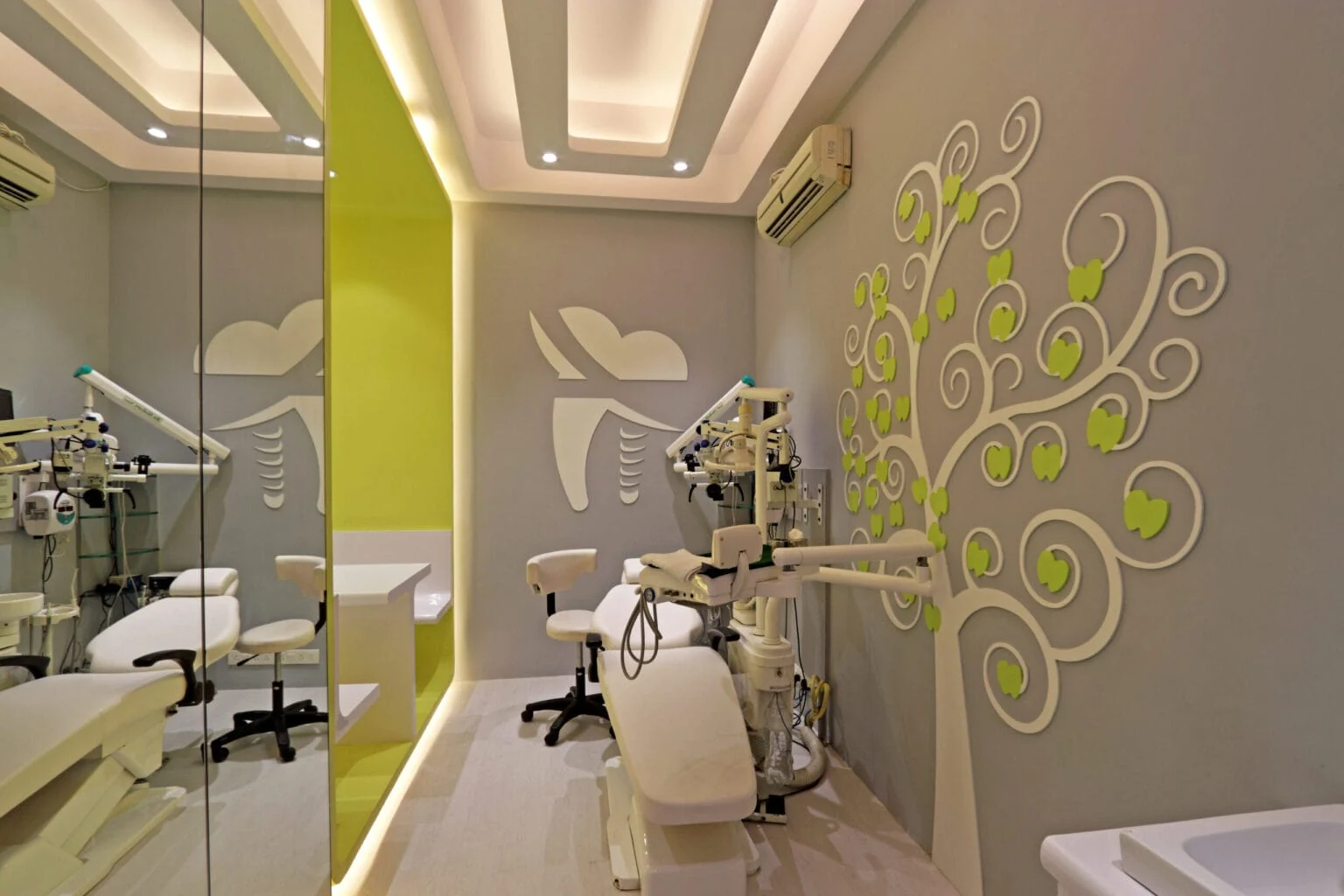
Dental treatment area at Royal Dental Clinics Mumbai

Describe the symptoms

Tell the dentist where the pain occurs, when it started, what makes it worse and whether there is locking, clicking, headache or recent trauma. The assessment considers the joints, muscles, teeth, bite and relevant medical history. Clicking alone does not automatically mean a joint needs intervention.

Start with the appropriate care

Many temporomandibular disorders are managed with education, changes to aggravating habits and suitable conservative care. Physiotherapy, medication or an appliance may be considered after assessment. The plan is specific to the diagnosis; irreversible bite changes are not a universal first-line answer.

When further investigation is needed

Persistent limitation, locking, trauma or other findings may need imaging or specialist input. A digital bite recording can assist selected assessments but does not diagnose every cause of jaw pain. Symptoms may also need medical evaluation when they do not fit a dental explanation.

Further reading

General information supports a consultation. Your examination and written plan confirm suitable treatment.
Before & after · Royal Dental patients

See the smiles.
Understand the possibilities.

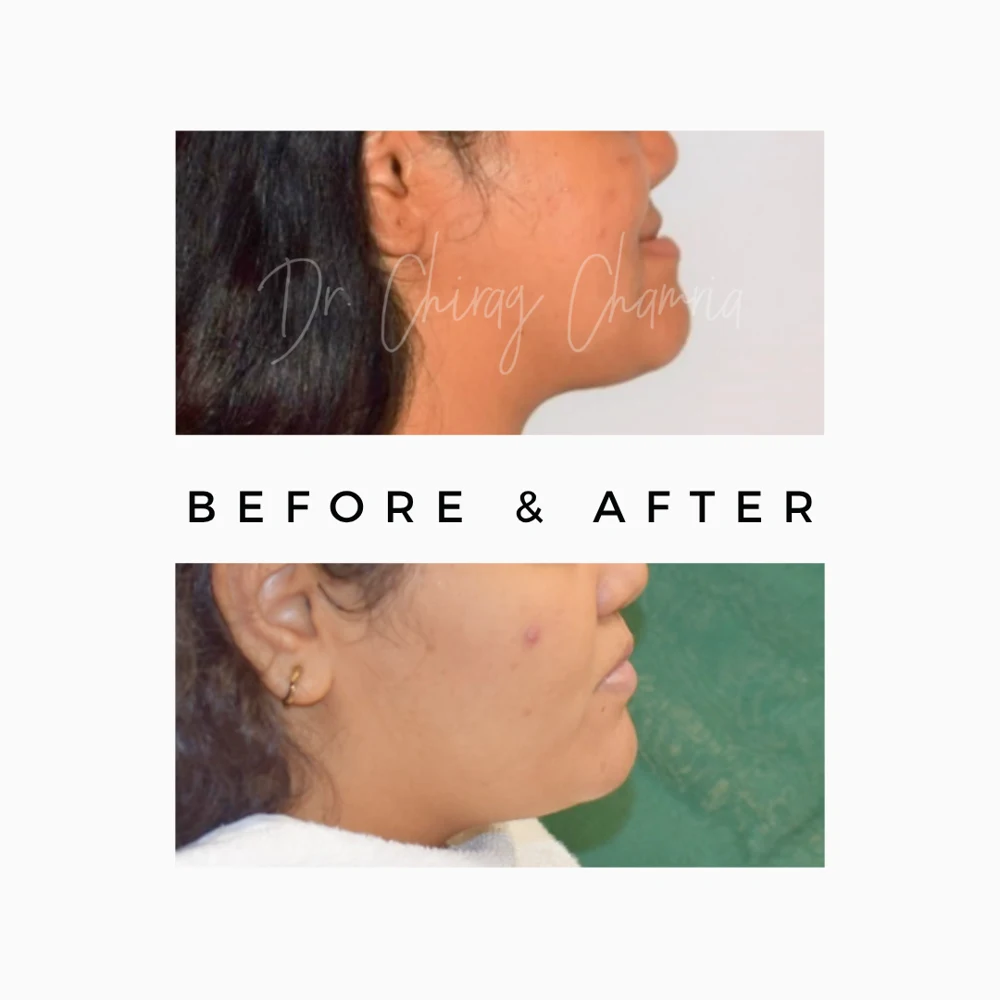
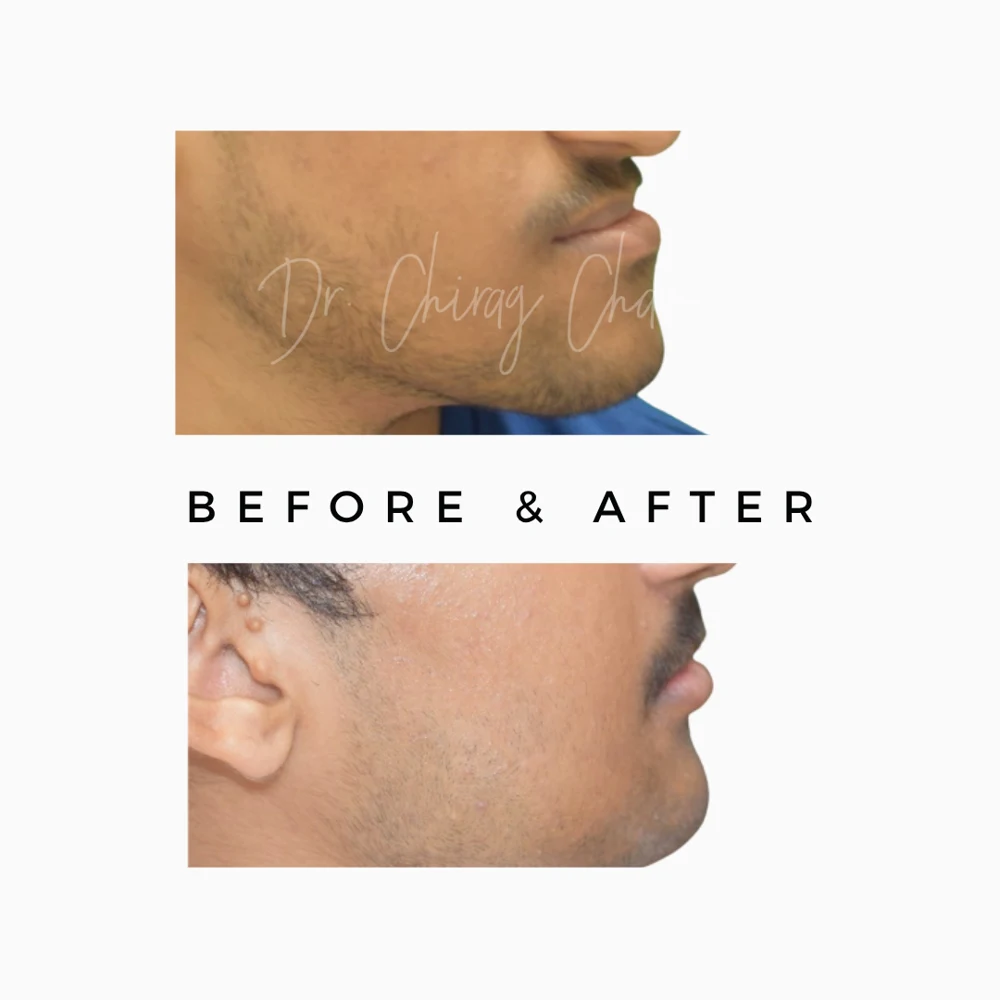
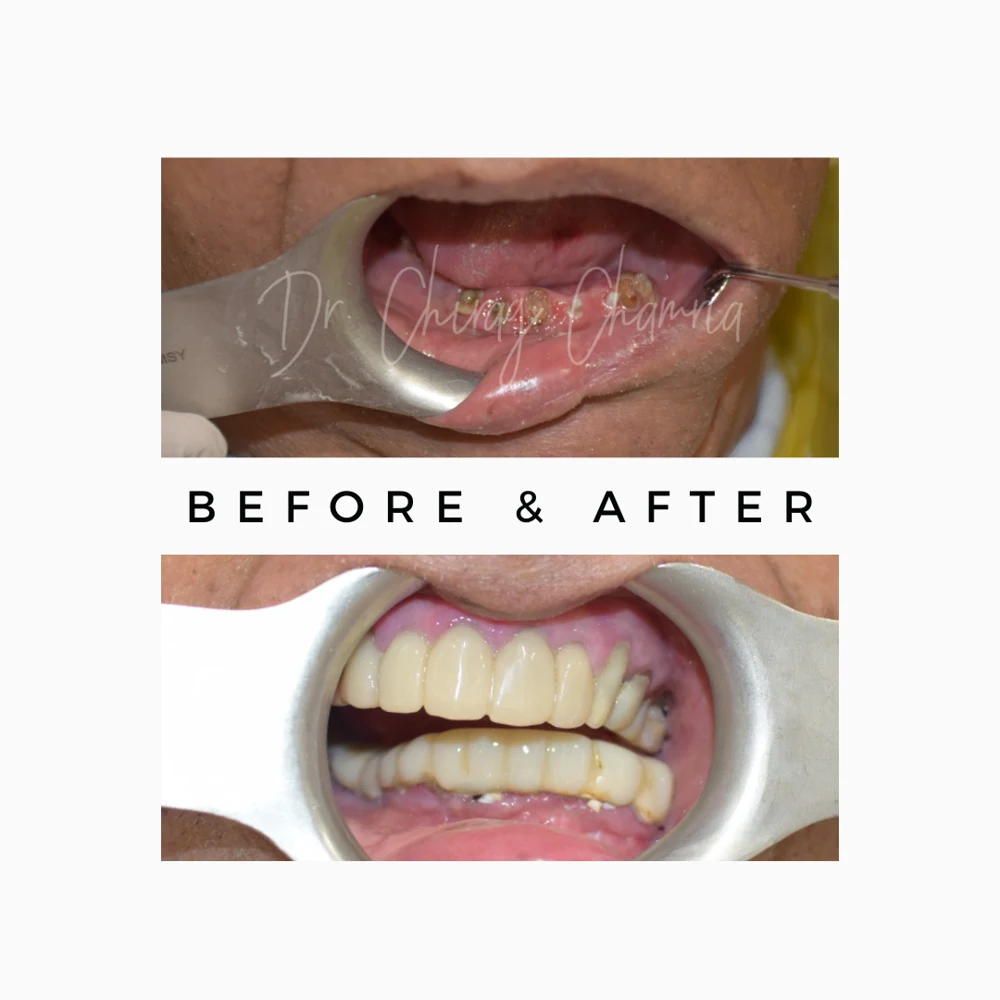
Explore photographs of treatment published by our clinic. Your own plan starts with an individual assessment.

Actual photographs published by Royal Dental Clinics. Individual results vary; photographs alone do not establish the treatment, timeframe or suitability for another patient.

Questions before you decide

Your questions answered

No. Headaches have many causes. Dental and medical assessment may both be needed.

Not necessarily. Clicking without significant pain or limitation may only need advice and monitoring after assessment.

No. An appliance may help selected conditions, but the diagnosis and broader management determine the plan.

Describe the pain location, duration, triggers, locking, noise and any headache or neck symptoms. Mention habits, previous treatment, trauma and medicines.

Depending on the diagnosis, care may include education, activity or habit changes, exercises, medicines or selected appliance treatment. More invasive treatment needs a clear indication.

Start with a conversation

Let’s understand
what you need.

Tell us your concern and preferred centre. Our coordinator will help arrange the next step.

Consultation ₹1,500 · Usually 45–60 minutes
Your appointment is confirmed by the clinic.

Procedures for selected cases

Arthrocentesis or other joint procedures may be considered when the diagnosis and response to conservative care support them. The surgeon explains the purpose, alternatives, risks and expected benefit. Surgery is not required for every painful or clicking joint.

Monitoring progress

The plan includes a review of pain, opening, function and treatment response. Report worsening limitation, new swelling or altered symptoms. Sudden severe symptoms after injury or other urgent medical signs need prompt assessment. Use patient guides to support, not replace, the discussion.

Separating jaw symptoms from a treatment label

Jaw pain, locking, clicking, muscle tenderness and headaches require an assessment of the symptom pattern and possible causes. The examination may consider joint movement, muscles, teeth, habits and relevant medical factors. Not every symptom originates in the bite.

The plan should explain the working diagnosis and the purpose of each investigation or treatment. Ask what can be monitored, which reversible options are suitable and what findings would justify a different approach.

WhatsApp