Oral Surgery

Orthognathic Surgery for Selected Jaw and Bite Problems

Orthognathic surgery repositions the jaws in selected patients with skeletal discrepancies that cannot be adequately addressed by tooth movement alone. Planning considers bite, facial balance, function and the medical context.

Indication
Selected skeletal jaw discrepancy
Planning
Surgery and orthodontics
Timeline
Preparation and recovery over time
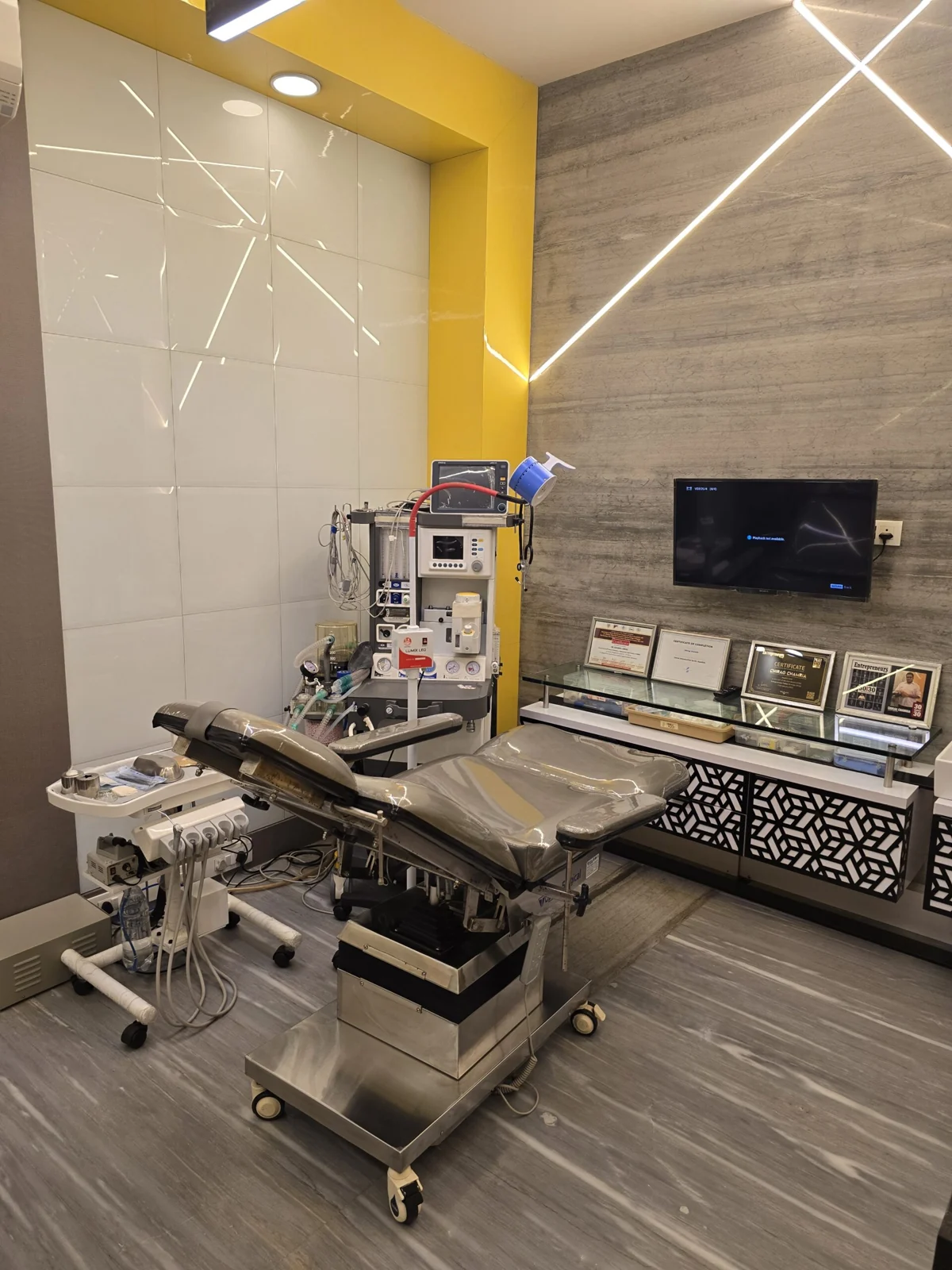
Designated treatment room at Royal Dental Clinics Mumbai

Understand the jaw relationship

The assessment looks at the relationship between the upper and lower jaws, tooth alignment, bite, facial proportions and your symptoms. Not every crooked tooth or uneven smile needs jaw surgery. The team explains whether orthodontics, restoration or another conservative approach can address the concern.

A coordinated orthodontic and surgical plan

Records, imaging and bite analysis guide the plan. Orthodontic preparation and finishing are often part of treatment; selected protocols have different sequences. The surgeon and orthodontic team explain the movement planned, the effect on teeth and facial appearance, and the expected duration.

Procedure and recovery

Surgery generally involves general anaesthesia and appropriate medical and hospital arrangements. Risks can include bleeding, infection, altered sensation, bite changes and relapse. Eating, activity, oral hygiene and follow-up need careful planning. The individual procedure determines the recovery period.

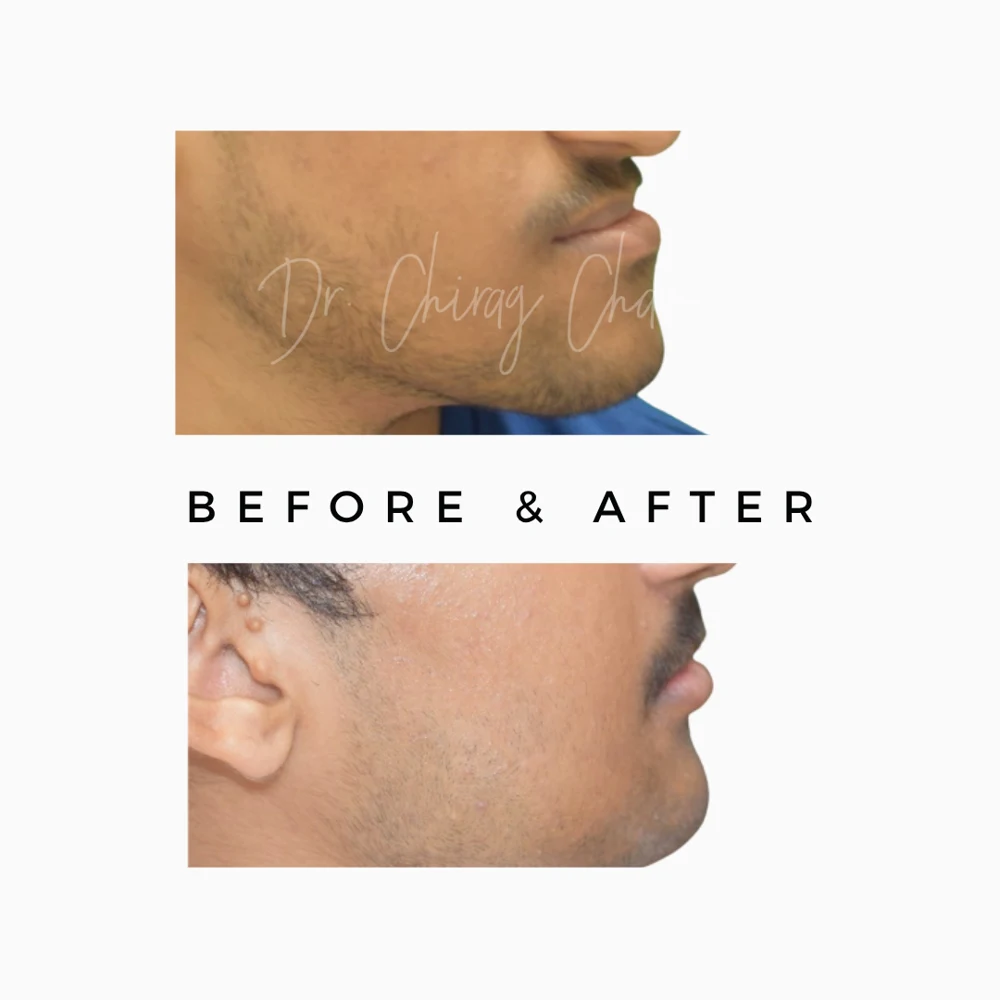
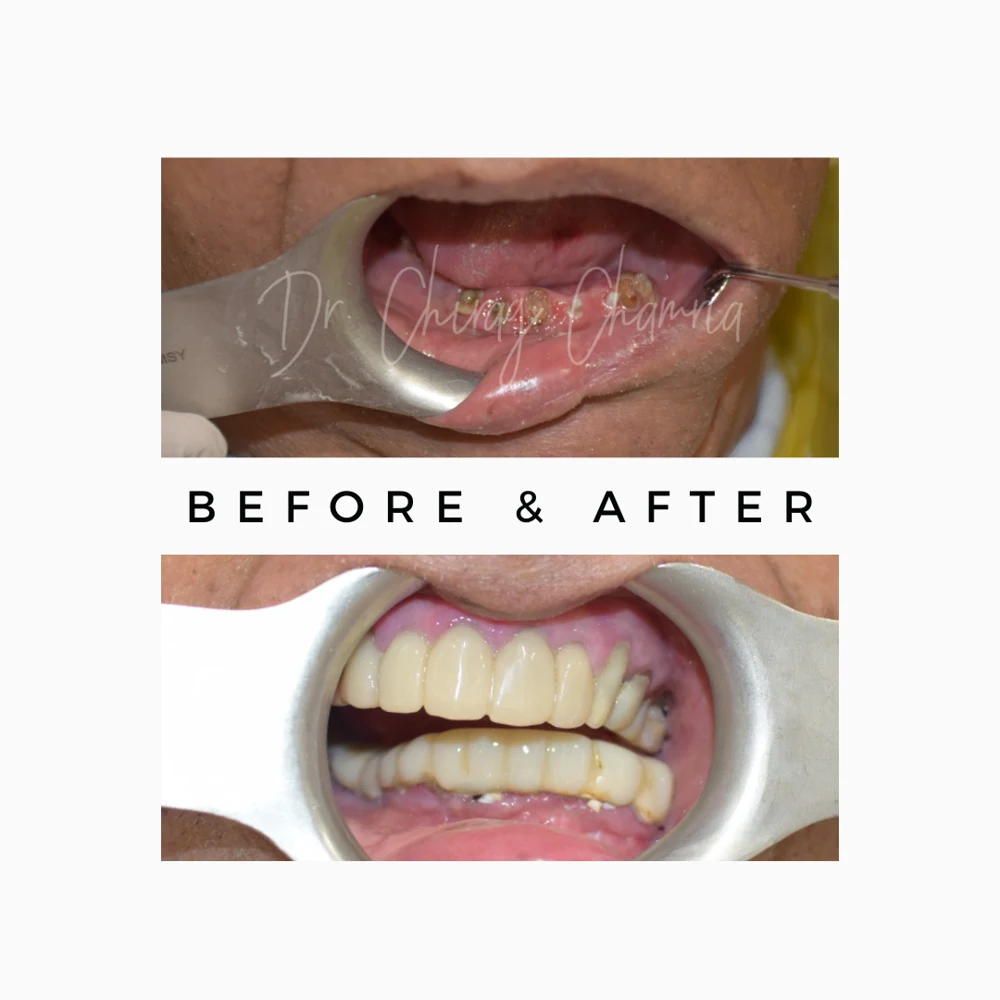
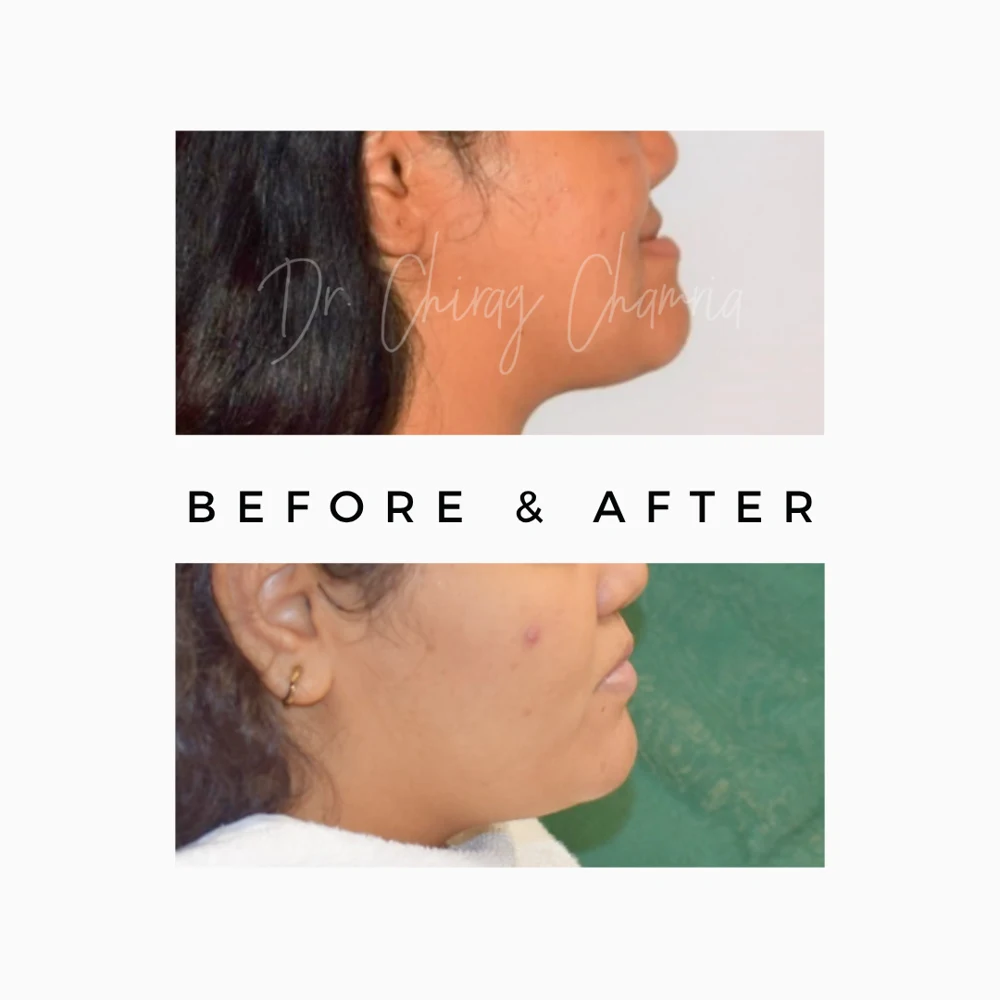
Before & after · Royal Dental patients

See the smiles.
Understand the possibilities.

Explore photographs of treatment published by our clinic. Your own plan starts with an individual assessment.

Actual photographs published by Royal Dental Clinics. Individual results vary; photographs alone do not establish the treatment, timeframe or suitability for another patient.

Questions before you decide

Your questions answered

No. Jaw surgery changes skeletal relationships. Veneers change visible tooth surfaces and cannot correct every bite problem.

No. Jaw-joint pain needs its own diagnosis. The expected effect on symptoms must be discussed for the individual case.

Orthodontics is often part of the plan. The team explains the sequence and any alternatives suitable for your case.

Definitive jaw correction is commonly planned after growth has stabilised, although individual circumstances differ. Your surgeon and orthodontist assess growth and the sequence of care.

Discuss swelling, diet, oral hygiene, activity limits, work and follow-up before deciding. Recovery varies with the operation and your health, so use the team’s written schedule.

Start with a conversation

Let’s understand
what you need.

Tell us your concern and preferred centre. Our coordinator will help arrange the next step.

Consultation ₹1,500 · Usually 45–60 minutes
Your appointment is confirmed by the clinic.

Cost and commitments

The estimate should identify surgery, orthodontic work, investigations, anaesthesia, facility charges and reviews as applicable. This is not a one-day cosmetic correction even when the operation takes place on one day. The full treatment and recovery sequence is explained before consent.

Deciding with useful information

Ask what functional problem surgery addresses, what alternatives exist and which changes are uncertain. Discuss the impact on work, study, nutrition and travel. A clear plan includes the clinicians involved and the contact route for questions throughout treatment.

Jaw alignment, function and facial proportions

Jaw relationships can affect chewing, speech, facial balance and selected airway concerns. An uneven jaw relationship can have developmental, congenital or traumatic causes. Symptoms such as clicking or jaw pain can also arise without a jaw position that needs surgery.

The assessment combines the facial and dental examination with appropriate records and imaging. It considers whether orthodontic treatment alone can address the problem or whether a combined surgical plan is reasonable. Breathing-related symptoms may require assessment with other relevant clinicians.

Definitive jaw correction is commonly planned after growth has stabilised. The appropriate timing also depends on the diagnosis, medical health and the sequence of orthodontic care. A general age range cannot decide suitability for an individual.

Planning surgery and understanding the result

Experience, digital planning, clear explanation and patient support are part of surgical planning. Use the consultation to understand the proposed operation, expected functional and facial changes, alternatives, risks and recovery.

Imaging and digital plans help the team study the intended movements and coordinate care. They do not remove biological variation or guarantee a particular result. Swelling, healing, sensation, the bite and any orthodontic stages need follow-up.

Before treatment, confirm the operating setting, anaesthesia, hospital or clinic arrangements, diet, time away from work, an escort and the review schedule. International patients should plan these details before confirming travel.

WhatsApp