Smile Care

Dental Veneers for Selected Smile Changes

Veneers are thin restorations placed over the visible surface of selected teeth to change shape, colour or proportion. Suitability depends on tooth structure, gum health, alignment and the way you bite.

Purpose
Shape colour and proportion
Preparation
May be irreversible
Choice
Compare conservative alternatives
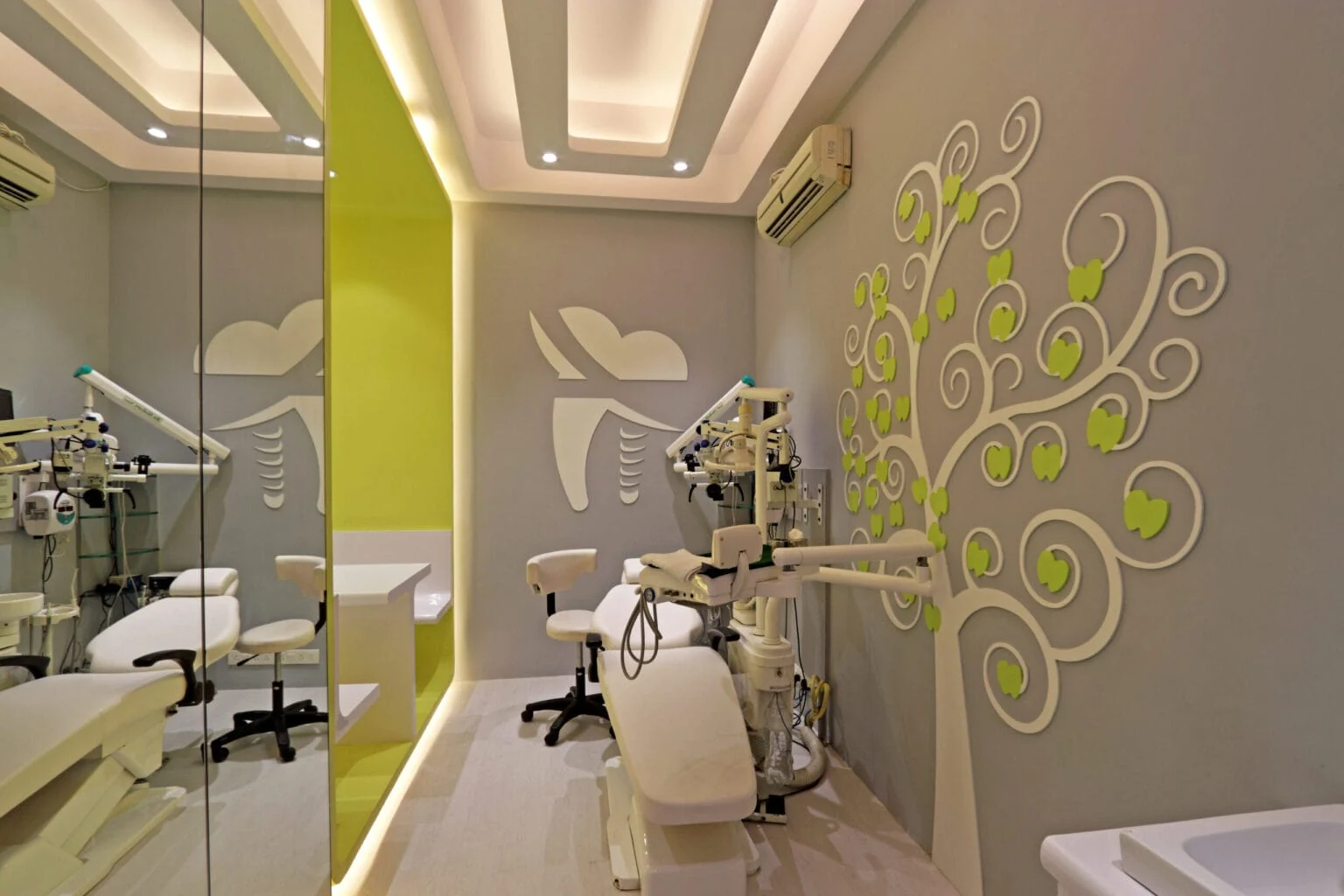
Dental treatment area at Royal Dental Clinics Mumbai

When veneers may help

A veneer may address persistent discolouration, a small fracture, uneven shape or a selected gap. The dentist first assesses whether whitening, bonding or orthodontics can meet your needs. Teeth with extensive damage may need a different restoration; uncontrolled clenching or active gum disease may need management.

Preparation needs a clear discussion

Some veneers need removal of tooth structure, which is usually irreversible. No-preparation designs are not appropriate for every tooth and can appear bulky or affect cleaning. Ask what will be changed, how much natural structure remains and what future replacement may involve.

Design and fitting

Shade, proportions, tooth edges and the smile line are discussed before manufacture. A trial may help when several teeth are involved. The dentist checks fit, margins, contacts and bite when fitting. Selected cases may use a same-day workflow; material and preparation can require more appointments.
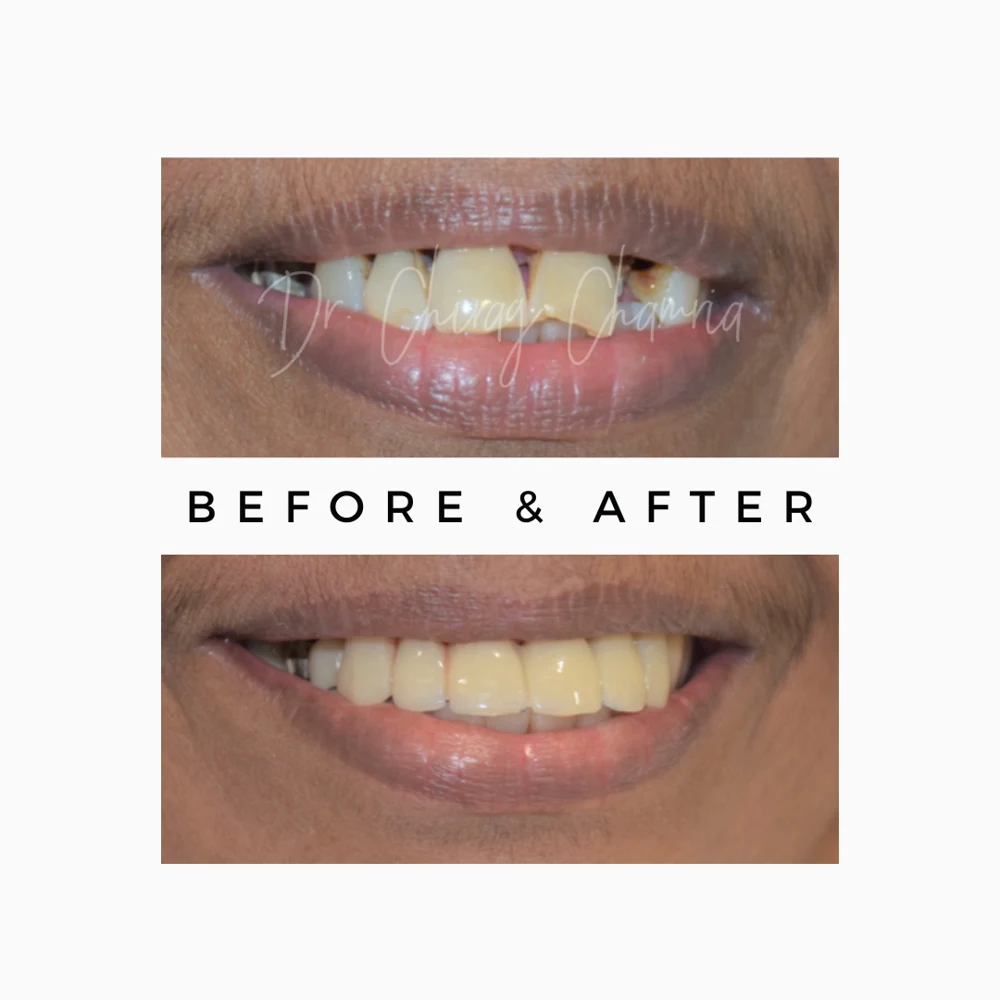
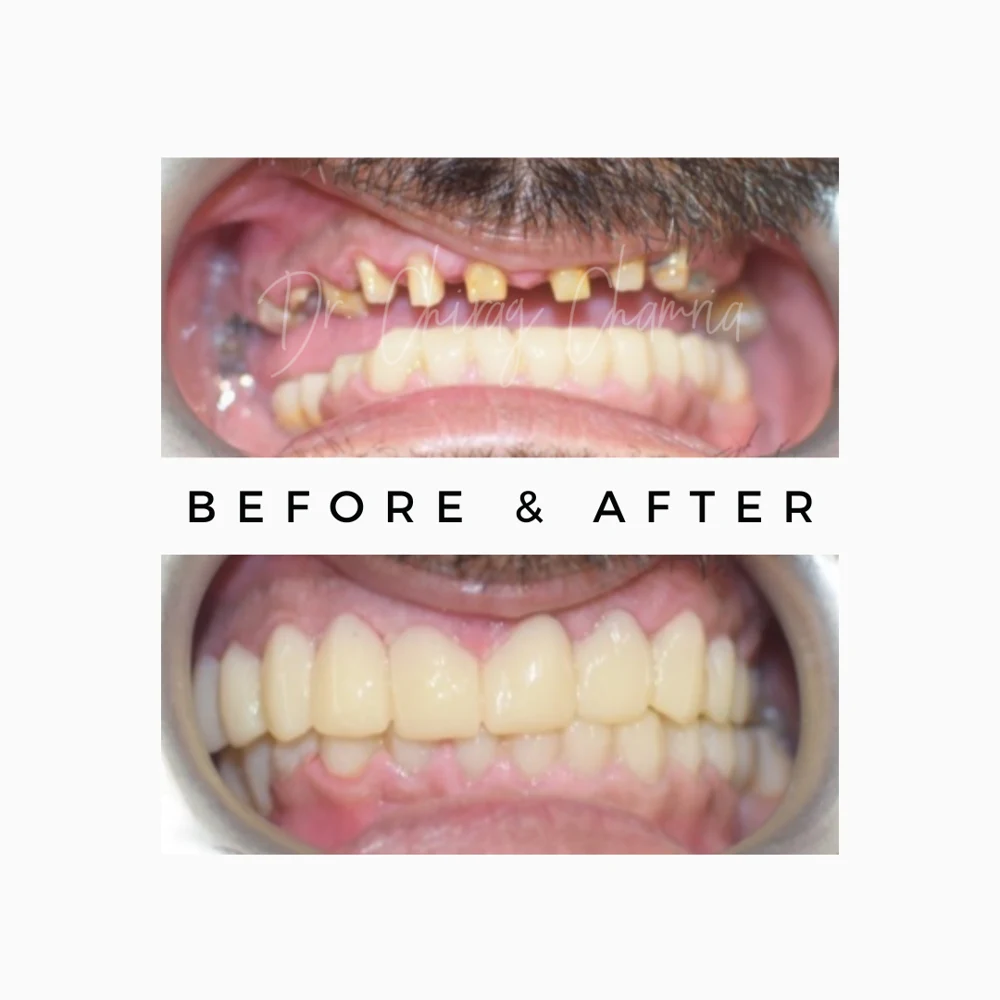
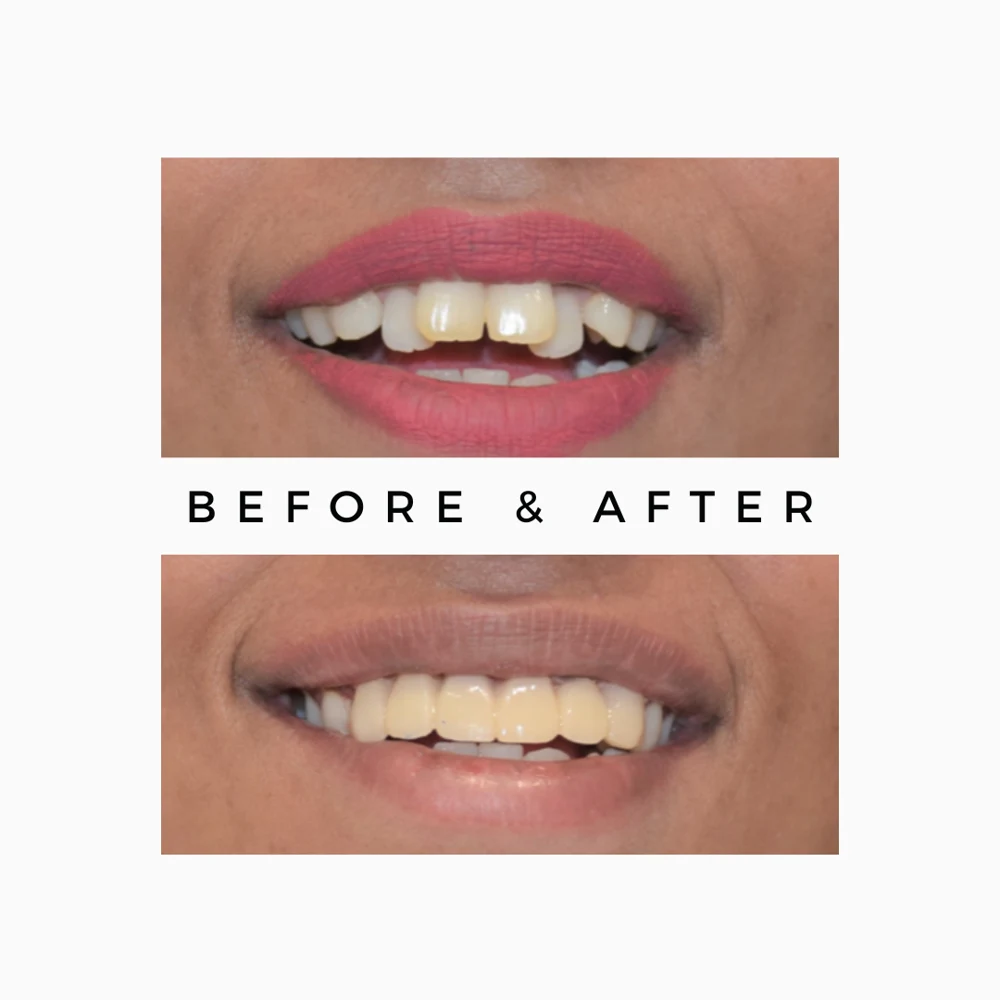
Before & after · Royal Dental patients

See the smiles.
Understand the possibilities.

Explore photographs of treatment published by our clinic. Your own plan starts with an individual assessment.

Actual photographs published by Royal Dental Clinics. Individual results vary; photographs alone do not establish the treatment, timeframe or suitability for another patient.

Questions before you decide

Your questions answered

Where tooth structure is removed, the preparation is generally irreversible and future restoration may be required.

No. They change surface shape. Orthodontic movement may be the better choice for significant alignment or bite correction.

Restorative materials do not whiten like natural teeth. Shade changes and later whitening should be planned with the dentist.

Discuss how much tooth preparation is needed, the health of the gums, your bite and any grinding habit. Ask about alternatives, expected maintenance and future replacement.

Some small defects can be repaired, while others require replacement. Contact the clinic for assessment and avoid trying to glue or file the veneer yourself.

Start with a conversation

Let’s understand
what you need.

Tell us your concern and preferred centre. Our coordinator will help arrange the next step.

Consultation ₹1,500 · Usually 45–60 minutes
Your appointment is confirmed by the clinic.

Cost and future maintenance

The estimate states the number of veneers, material, preparatory work and visits. Veneers can chip, detach, wear or need replacement. A service-free arrangement, if applicable, is governed by the specified material and written terms. Ask about repairability and replacement costs.

Looking after veneers

Maintain brushing, interdental cleaning and gum care. Avoid using teeth to open packaging or bite hard objects. Report a rough edge, looseness, persistent sensitivity or bite discomfort. Your dentist may recommend suitable protection if clenching affects the plan.

How different smile treatments work

Whitening aims to change natural tooth colour. Bonding, veneers and crowns alter or restore the visible tooth form. Braces and aligners move teeth over a planned period. Existing restorations, gum health, tooth position and bite can affect which route is suitable.

There are several ways to improve a smile, and combining treatments may be appropriate in some cases. Ask why each proposed procedure is needed, whether a more conservative alternative is suitable and how the result will be maintained.

WhatsApp