Dental Implants

Zygomatic Implants for Severe Upper Jaw Bone Loss

Zygomatic implants use support from the cheekbone for selected patients with severe upper-jaw bone loss. They are an advanced surgical option, considered when conventional implants alone cannot provide the planned fixed teeth.

Site
Severely resorbed upper jaw
Support
Cheekbone in selected cases
Care
Specialist planning and follow-up
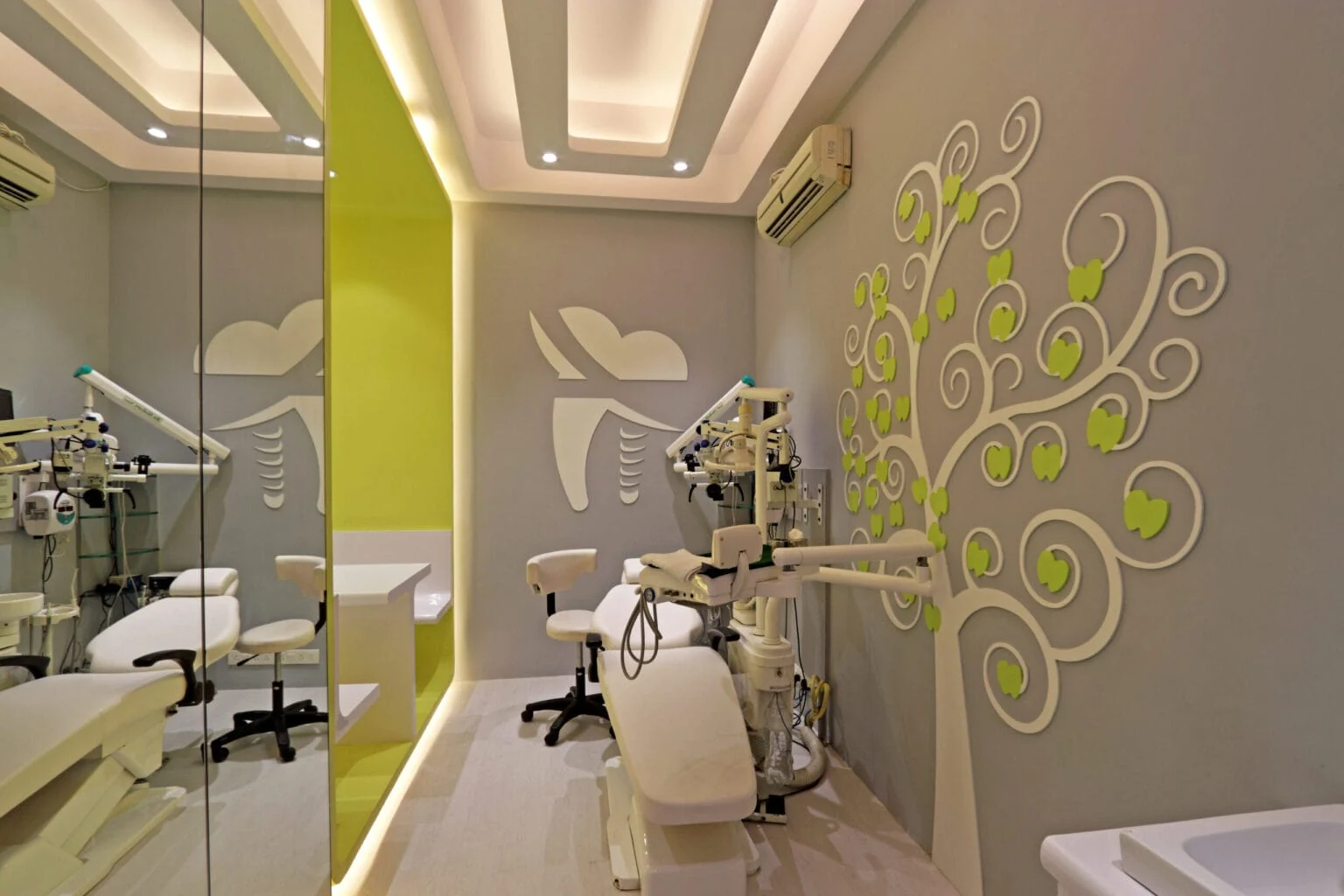
Dental treatment area at Royal Dental Clinics Mumbai

Who may be considered

Patients may have worn dentures for years, lost significant upper-jaw bone or experienced failure of an earlier implant plan. Zygomatic treatment is considered after reviewing alternatives, medical history, residual bone and the condition of the sinuses. It is not the default choice for a small gap or every low-bone case.

Planning beyond the jawbone

The assessment includes three-dimensional imaging where indicated and a plan for the teeth, implant emergence, cleaning and bite. The surgeon evaluates the cheekbone, sinus region and relevant nearby structures. Existing sinus symptoms or surgery need to be disclosed; further assessment may be required.

The treatment and loading plan

Zygomatic implants may be combined with conventional or other advanced implants, depending on the support needed. Anaesthesia and recovery arrangements are discussed in advance. Suitable cases may receive fixed teeth on the same day, but the decision depends on stability and the overall plan.

Further reading

General information supports a consultation. Your examination and written plan confirm suitable treatment.
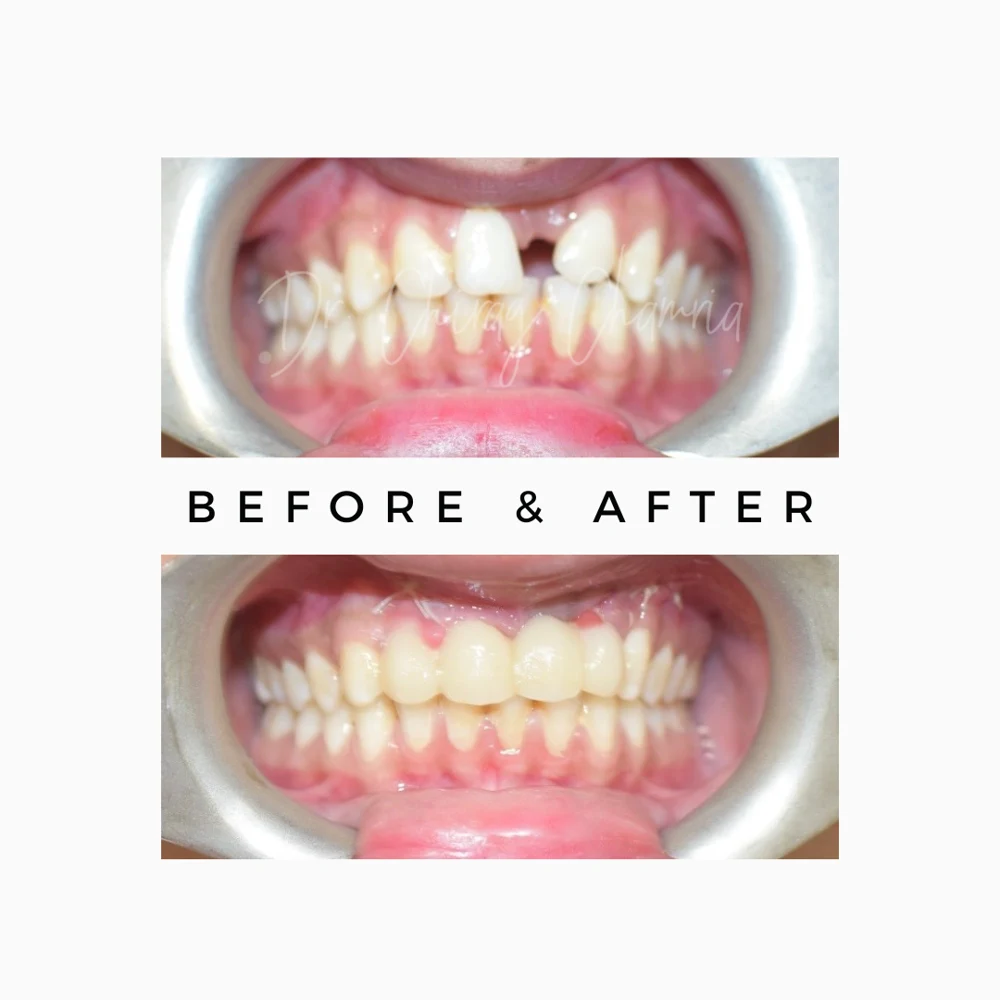
Before & after · Royal Dental patients

See the smiles.
Understand the possibilities.

Explore photographs of treatment published by our clinic. Your own plan starts with an individual assessment.

Actual photographs published by Royal Dental Clinics. Individual results vary; photographs alone do not establish the treatment, timeframe or suitability for another patient.

Questions before you decide

Your questions answered

No. Conventional implants, shorter implants, grafting, pterygoid support or removable options may be appropriate. The surgeon compares relevant alternatives.

They may reduce the need for grafting in selected cases, but the complete plan can still require additional treatment.

The surgeon confirms the appropriate stay and review period for your procedure and recovery. Do not assume a fixed flight date before assessment.

Assessment considers your medical history, jaw and sinus anatomy, available bone and the planned restoration. Suitable imaging and a surgical discussion help explain the options and risks.

Follow the surgeon’s instructions for cleaning, diet, medicines and reviews. Report persistent swelling, worsening pain, nasal or sinus symptoms, or any movement of the teeth.

Start with a conversation

Let’s understand
what you need.

Tell us your concern and preferred centre. Our coordinator will help arrange the next step.

Consultation ₹1,500 · Usually 45–60 minutes
Your appointment is confirmed by the clinic.

Benefits and procedure-specific risks

The approach can provide an alternative to extensive grafting in selected cases. It is technically demanding. Risks can include sinus problems, infection, soft-tissue complications, implant failure and injury to nearby structures. The surgeon explains the case-specific risks, alternatives and how a complication would be managed.

Recovery cost and continuing care

The estimate covers the surgical configuration, teeth, material, anaesthesia and associated treatment. Expect an individual recovery and review schedule. Maintain cleaning around the teeth and implant emergence, and report sinus symptoms, persistent swelling, pain or a loose restoration promptly.

Understanding options when upper-jaw bone is limited

An upper jaw with substantial bone loss can make conventional implant positioning difficult. Depending on the clinical findings, the discussion may include grafting, sinus-related procedures, different implant configurations or selected advanced approaches.

Zygomatic implants use support from the cheekbone in selected upper-jaw cases. Pterygoid implants may be considered for posterior support as part of a suitable plan. These are distinct approaches with specific anatomical, surgical and restorative requirements.

Ask why an approach is proposed for you, which alternatives are reasonable, the potential complications and the aftercare arrangements. Neither a description of “less bone” nor an online photograph can establish that an advanced implant procedure is appropriate.

WhatsApp